Redbad
2018
No user ratings available yet
Representation score: 2.1 out of 10
Representation Score
Minimal
1969
M/PGDirector
Clive Donner
Runtime
122 minutes
Average Rating
No ratings yetNew Showbiz Analysis
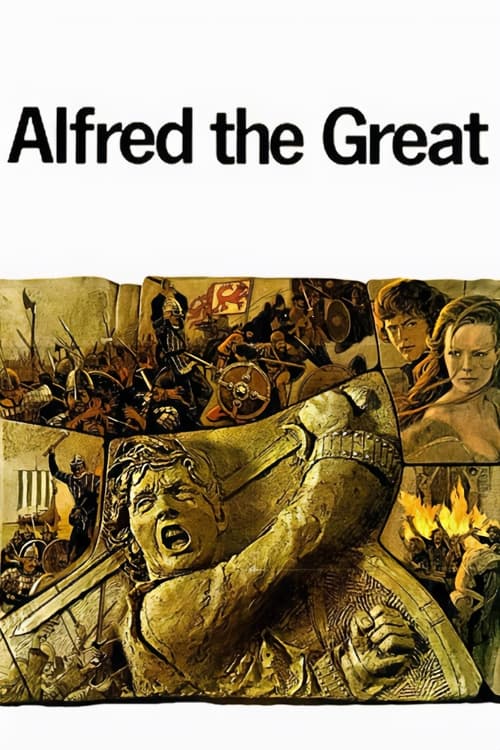
Clive Donner’s historical epic is a traditional narrative that upholds established social and religious hierarchies. The film centers on the masculine struggle for sovereignty and the defense of the Christian faith against Danish invaders. Instead of challenging norms, the production adheres to the conventional formulas of 1960s cinema. It reinforces a binary worldview where the protagonist's conflict is defined by his tension between spiritual devotion and the need for state defense. Ultimately, the film lacks complexity in its portrayal of intersecting identities. It functions as a classic tale of national and spiritual preservation, staying firmly within the cultural and social boundaries of its time.
Category Breakdown
The film follows a standard framework that assumes everyone is straight and cisgender. There is no indication of diverse gender identities or same-sex relationships.
The story centers on male leadership and masculine roles. It highlights traditional gender dynamics through Alfred's journey from religious life to military combat.
The cast is primarily white and Anglo-Saxon. The conflict is portrayed as a straightforward battle between English Christians and Danish invaders.
The story emphasizes Western institutions like the Church and national identity. It portrays the defense of faith and the kingdom as a key moral duty.
The film does not focus on neurodivergence or physical disabilities. Characters operate within the typical physical requirements for medieval warfare.
Present on Screen
Limited or Absent
Official Synopsis
While Old England is being ransacked by roving Danes in the 9th century, Alfred is planning to join the priesthood. But observing the rape of his land, he puts away his religious vows to take up arms against the invaders, leading the English Christians to fight for their country. Alfred soundly defeats the Danes and becomes a hero. But now, although Alfred still longs for the priesthood, he is torn between his passion for God and his lust for blood.
2018
1944

2019
1963
1996
1938
1965
1966
No reviews yet. Be the first to share your thoughts on this movie!
Use the rating form above to leave a star rating and optional review.