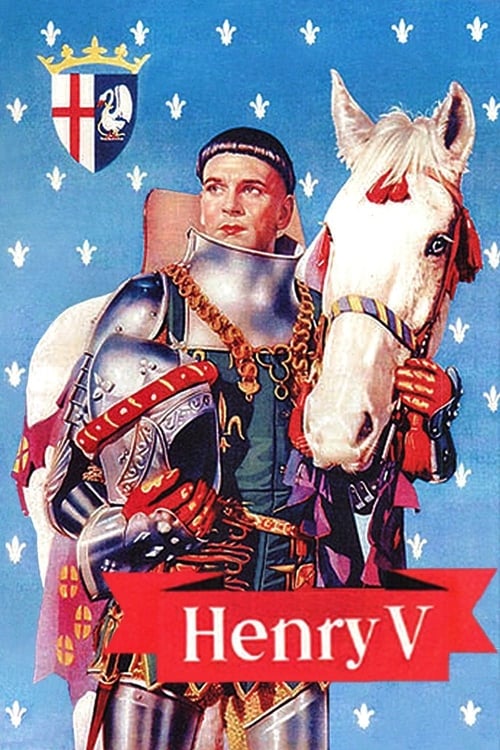
Henry V
1944
No user ratings available yet
Representation score: 0.2 out of 10
Representation Score
Minimal
1985
Director
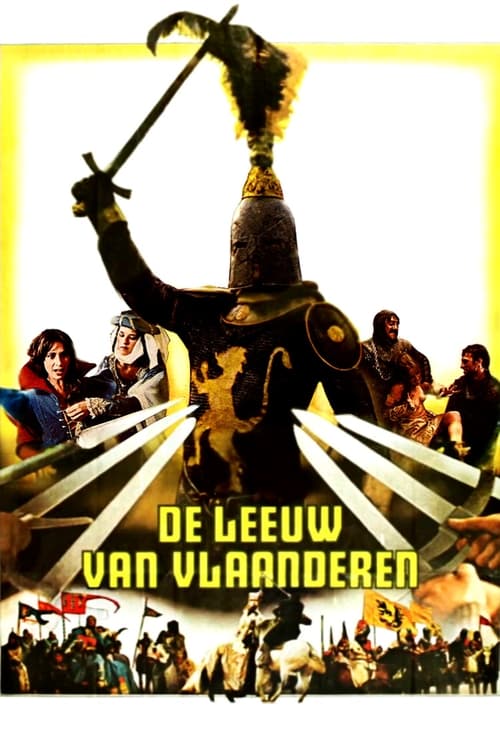
Hugo Claus
Runtime
104 minutes
Average Rating
No ratings yetNew Showbiz Analysis
The Lion of Flanders focuses on historical accuracy, emphasizing the socio-political realities of 13th-century Flanders. The film prioritizes period authenticity over modern social representation. By concentrating on the Battle of the Golden Spurs, the movie highlights the existing power structures of the time, such as the dominance of men and the pervasive influence of the Church. These elements reinforce traditional medieval hierarchies without challenging them through diverse perspectives. Ultimately, the work operates within a narrow framework of historical realism, depicting the era's social and political dynamics without incorporating modern diversity.
Category Breakdown
The film strictly adheres to the social norms of the 13th century. There are no depictions of LGBTQ+ identities or same-sex relationships.
Men are portrayed as having significant political and military roles, while women are confined to secondary, domestic, or aristocratic positions.
The casting is uniform, reflecting the European context of the era. There is no racial or ethnic diversity among the characters.
Religious and monarchical institutions are shown as the main forces maintaining social order. The Catholic Church is depicted as a powerful presence without criticism.
The film does not address neurodivergence or physical disabilities. Characters are portrayed based on their political and social status.
Present on Screen
Limited or Absent
Official Synopsis
The story takes place in 14th-century Flanders, a region suffering under the oppressive and bloody occupation of the French King, Philip the Fair. Tensions between the arrogant French nobility and the proud Flemish guilds reach a boiling point. Following the bloody uprising known as the Bruges Matins, an armed conflict becomes inevitable.Without their imprisoned leader, Robert of Bethune—the "Lion of Flanders"—craftsmen, peasants, and local nobles unite. This leads to the legendary Battle of the Golden Spurs on July 11, 1302, near Kortrijk, where an untrained Flemish citizen army faces the elite French cavalry.
1944
1963
1974
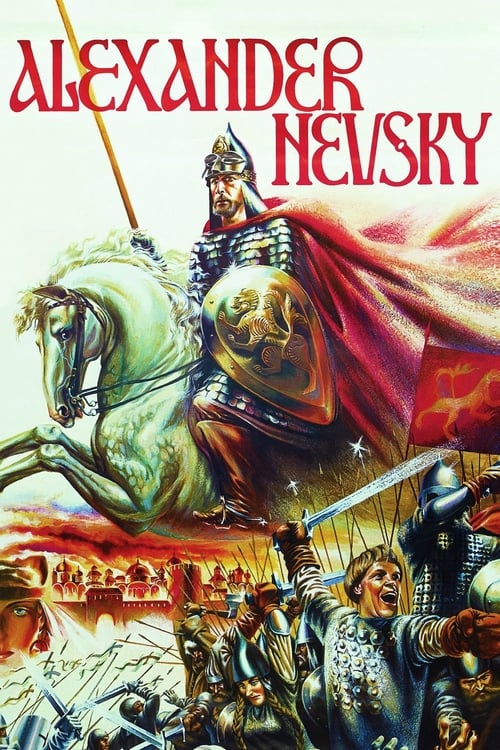
1938
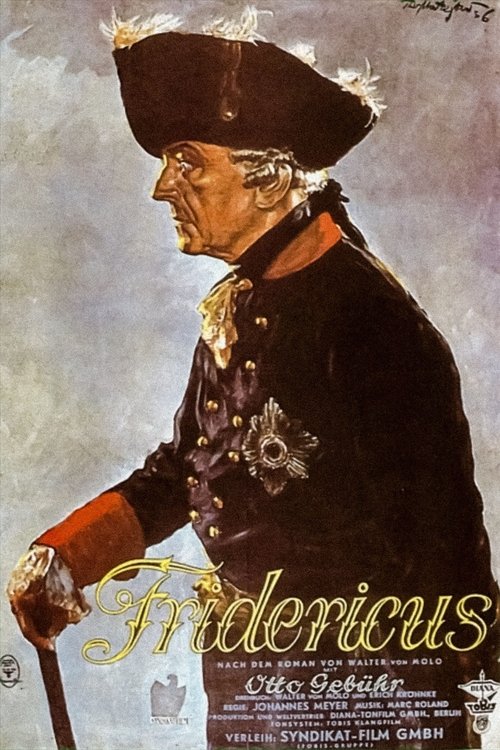
1937
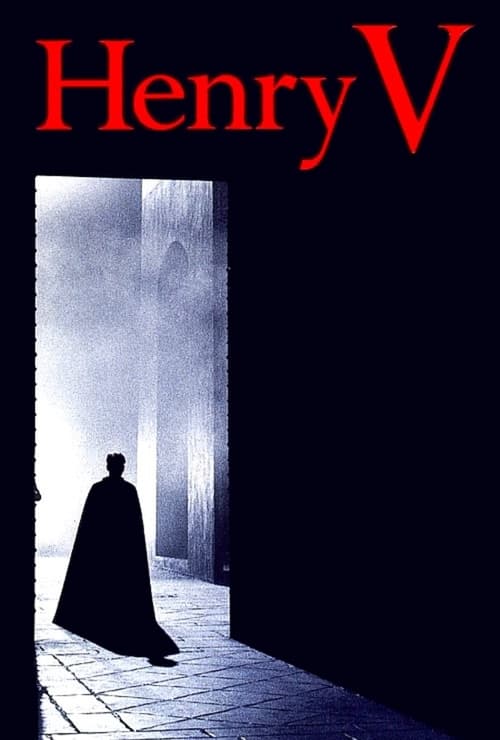
1989
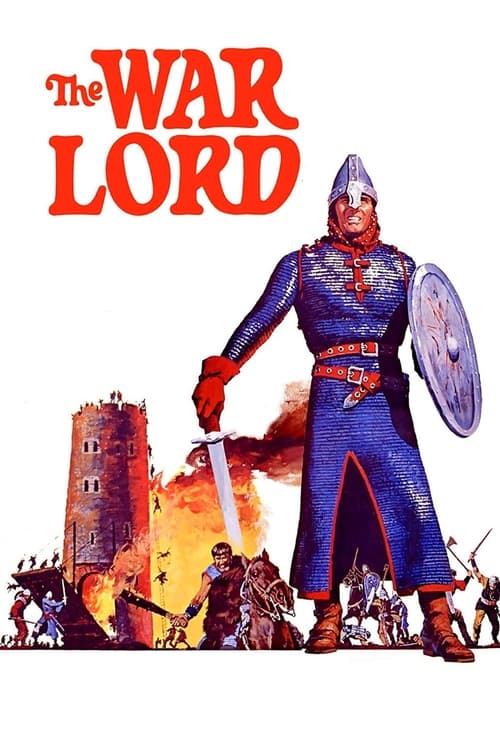
1965
1979
No reviews yet. Be the first to share your thoughts on this movie!
Use the rating form above to leave a star rating and optional review.