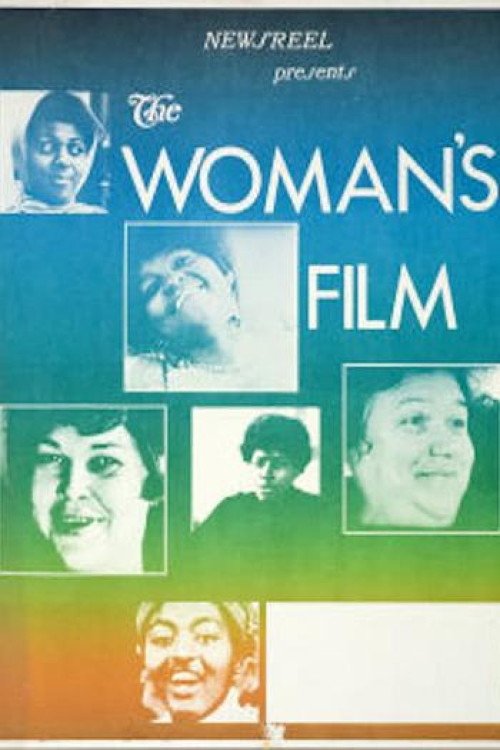
The Woman's Film
1971
No user ratings available yet
Representation score: 7.0 out of 10

Representation Score
Good
1971
Director
Kate Millett, Louva Irvine, Susan Kleckner
Runtime
70 minutes
Average Rating
No ratings yetNew Showbiz Analysis
Three Lives is a groundbreaking documentary that challenges the patriarchal gaze of 1970s cinema. By using an all-female crew and a director grounded in feminist theory, the film puts women's ability to drive the story at the forefront of the narrative. The work stands out in gender representation, presenting its subjects as complex, autonomous individuals rather than passive figures. It effectively uses personal stories as a political tool to challenge established social hierarchies. However, the film’s scope seems limited, focusing mainly on gendered power dynamics. This results in a lack of visible racial and ethnic diversity within the presented material.
Category Breakdown
The film explores identities beyond traditional heterosexual norms by focusing on female autonomy. It discusses contrasting lifestyles and personal conflicts through a feminist perspective.
This documentary challenges traditional hierarchies by emphasizing the ability to act and intellect of three distinct women. An all-female crew ensures women have total control over their own representation.
The film focuses primarily on the multi-layered experiences of gender. There is little evidence of a broad range of ethnic diversity among the subjects.
The narrative prioritizes individual truth and situational ethics over institutionalized moralities. It uses autobiographical interviews to critique traditional Western social structures and norms.
There is no information available to evaluate the depiction of physical or neurodivergent disabilities.
Present on Screen
Limited or Absent
Official Synopsis
Photographed by an all-female crew and directed by the author of Sexual Politics, these are autobiographical interiews with three very different women who talk frankly about their lives, conflicts, and contrasting life styles.
1971
1965
1975
1971
1976
2012
2016
2008
No reviews yet. Be the first to share your thoughts on this movie!
Use the rating form above to leave a star rating and optional review.