
My Name is Clitoris
2019
No user ratings available yet
Representation score: 6.8 out of 10
Representation Score
Good
2016
Director
Melisa Liebenthal
Runtime
77 minutes
Average Rating
No ratings yetNew Showbiz Analysis
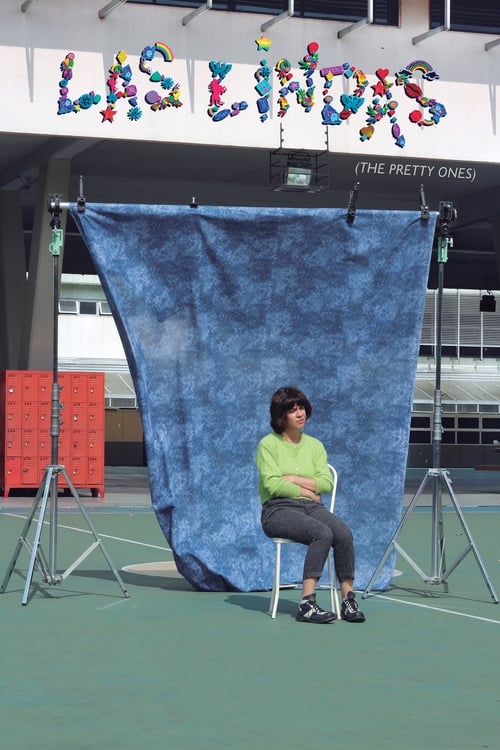
The Pretty Ones is a reflective documentary that goes beyond simple inclusion to question how gender is performed and regulated. By using personal archives and home movies, the film shifts the external male gaze to an internal, subjective perspective on femininity. The film's main strength lies in its sophisticated critique of gendered expectations. It portrays femininity not as a natural state, but as a series of social mandates and prohibitions that women must navigate. However, the scope seems somewhat limited. The focus on a specific circle of friends restricts the visible diversity regarding race and ethnicity, and there is no clear representation of disability.
Category Breakdown
The film explores the complexities of female identity and social expectations. Though it doesn't explicitly show queer romantic relationships, the focus on non-traditional feminine expressions hints at a space for diverse gender perspectives.
Liebenthal excels at challenging traditional gender roles by centering a feminine world seen from the inside. The narrative emphasizes how women navigate and resist patriarchal structures.
The film focuses on a close-knit group of lifelong friends. There is insufficient evidence to confirm a high degree of racial or ethnic diversity within the portrayed group.
The film offers a critique of traditional Western social institutions and mandates. It uses humor and honesty to deconstruct established cultural norms and the performative nature of social structures.
There is no evidence to suggest that neurodivergence or physical disabilities are central themes or featured prominently in this narrative.
Present on Screen
Limited or Absent
Official Synopsis
From her own personal experience and from talking with her lifelong friends, Melisa (24) wonders about the mandates and prohibitions that mold the cultural construction of the female gender, especially in relation to the image. With humor and candidness, the film portraits a feminine world seen from the inside, from conversations, personal photos and home movies.
2019
2016
2014
2016
2016

2023
1971
2020
No reviews yet. Be the first to share your thoughts on this movie!
Use the rating form above to leave a star rating and optional review.