Three Lives
1971
No user ratings available yet
Representation score: 6.5 out of 10
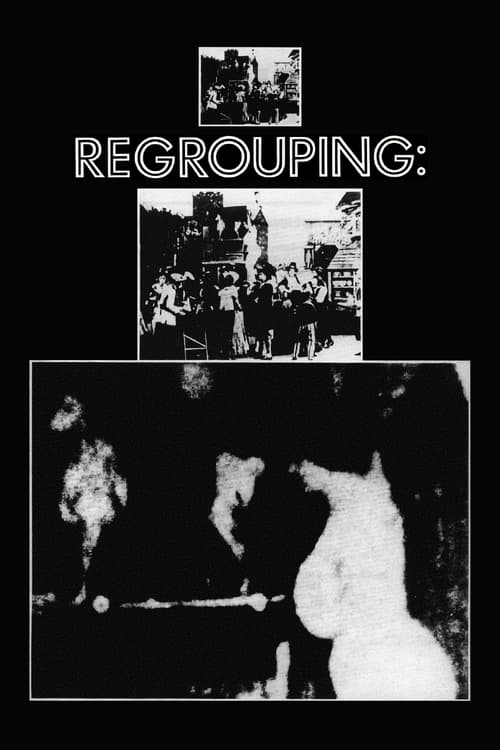
Representation Score
Good
1976
Director
Lizzie Borden
Runtime
80 minutes
Average Rating
No ratings yetNew Showbiz Analysis
Lizzie Borden’s experimental documentary excels at deconstructing power dynamics by highlighting women's ability to drive the story and intellectual labor. By focusing on the internal conflicts of a women's group, the film challenges traditional cinematic portrayals of women. However, the film lacks explicit focus on racial and ethnic diversity, concentrating instead on a specific socio-political group. This narrows its scope regarding multi-ethnic representation. Overall, the film is a significant exploration of identity, using social friction and meta-commentary to delve into the complexities of political and social transparency.
Category Breakdown
The film explores the connections between sexuality and community identity. It goes beyond surface-level representation to look at the real-life experiences of gender and desire within a group setting.
The film highlights a women's group to challenge traditional gender roles. It emphasizes women's active roles and intellectual contributions, avoiding stereotypes of passivity.
The film focuses on the political dynamics of a specific socio-political group. It does not emphasize a multi-ethnic cast within this group.
The work challenges Western institutional norms by emphasizing subjective morality and systemic critique. It prioritizes collective political awareness over traditional social cohesion.
There is no specific mention of the portrayal of physical or neurodivergent disabilities in this work.
Present on Screen
Limited or Absent
Official Synopsis
In this experimental film, Borden explores the dynamics among the members of a woman’s group. As she interviews people who know them, such as Joan Jonas, the group shoots ‘artistic’ scenes of themselves – but Borden feels they aren’t fully grappling with issues of sexuality and politics. Are they a serious group – or just friends? After showing an early edit of the film to the group, its members, upset, close ranks. Undeterred, Borden incorporates the group’s arguments into another edit, filming larger groups commenting both on the original one and on consciousness-raising groups in general. Uncredited voices include those of Barbara Kruger and Kathryn Bigelow.
1971
1971
1971
1979

1978

1976
1986

1976
No reviews yet. Be the first to share your thoughts on this movie!
Use the rating form above to leave a star rating and optional review.