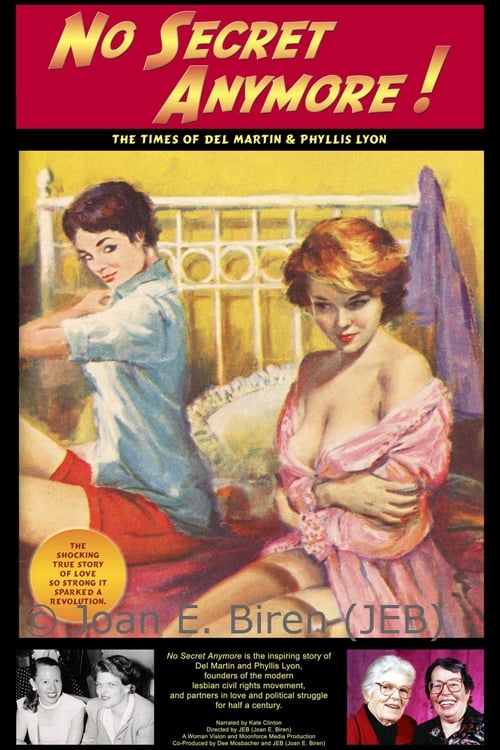
No Secret Anymore: The Times of Del Martin & Phyllis Lyon
2003
No user ratings available yet
Representation score: 6.6 out of 10
Representation Score
Good
2012
Director
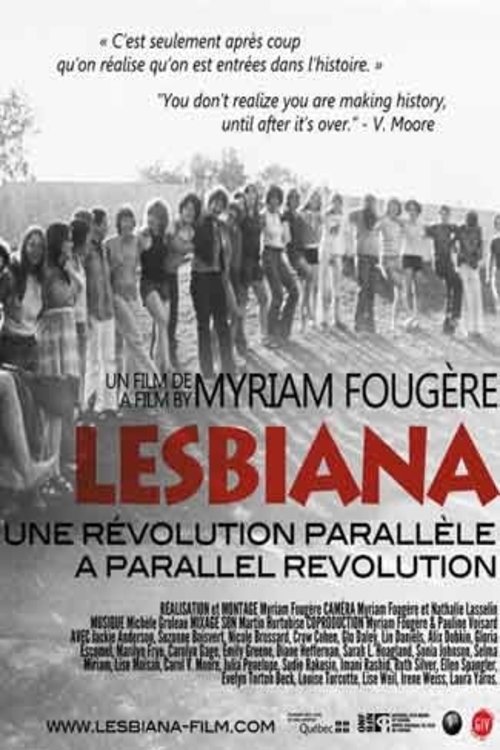
Myriam Fougère
Runtime
63 minutes
Average Rating
No ratings yetNew Showbiz Analysis
Myriam Fougère’s documentary is a powerful historical document that centers a underrepresented movement seeking an alternative social reality. By focusing on lesbian writers and activists, the film provides substantial ability to act to its subjects, going beyond simple identity to explore complex political and intellectual structures. The film excels at challenging traditional hierarchies, especially those related to gender and sexuality. It treats the 'revolutionary sisterhood' as a central historical force rather than a side note. This focus makes it a crucial piece of niche, multi-layered filmmaking. However, while the film’s international scope suggests a broad array of experiences, its focus remains heavily centered on gendered and sexual identity. The lack of explicit detail about racial the way different parts of someone's identity overlap prevents a higher score in that specific area.
Category Breakdown
The film focuses on the lived experiences and political activism of lesbian women. It examines social structures that support lesbian communities and challenges patriarchal norms.
Women are shown as key figures in intellectual and social progress. The documentary highlights female philosophers and activists, challenging traditional gender roles and hierarchies.
The film covers a wide geographic range, from Montreal to Texas and New York. However, it does not provide specific details about the intersection of race within the movement.
The narrative critiques traditional Western institutions by highlighting separatist autonomy. It emphasizes collective identity over the nuclear family and capitalist structures.
The film mentions that many subjects are in their seventies and eighties. There is no specific mention of disability or neurodivergence representation.
Present on Screen
Limited or Absent
Official Synopsis
A parallel revolution was born out of the feminist movement of the 1970's, coming to an end around 1995. Filmmaker Myriam Fougère takes us on a journey to meet the lesbian writers, philosophers and activists who were key players in creating a revolutionary sisterhood. From Montréal to Texas, by way of New York, Myriam encounters lesbians who chose to live only among women. This marginal yet international movement is brought to life through archival footage and photographs, and evocative interviews with these courageous women, many of whom are now in their seventies and eighties.
2003

2017

2025
2014
1996
2014
1971

2016
No reviews yet. Be the first to share your thoughts on this movie!
Use the rating form above to leave a star rating and optional review.