The Story of 'Frenzy'
2001
No user ratings available yet
Representation score: 1.8 out of 10
Representation Score
Minimal
2000
NRDirector
Laurent Bouzereau
Runtime
34 minutes
Average Rating
No ratings yetNew Showbiz Analysis
This documentary serves as a historical archive of Alfred Hitchcock’s 1956 production. Because it focuses on mid-century filmmaking, it inherently mirrors the social constraints and demographic homogeneity of that era. The work functions as a celebration of the established cinematic canon. It prioritizes technical reconstruction and historical accuracy over modern attempts to challenge traditional narrative structures or social hierarchies. Ultimately, the film documents a period of Hollywood history characterized by conventional gender roles and a lack of racial or LGBTQ+ representation.
Category Breakdown
The documentary reflects the standards of a 1956 production and lacks contemporary LGBTQ+ identities or queer-coded subtext.
The content centers on traditional masculine leadership and domestic female roles, reflecting the mid-century era's rigid gender hierarchies.
The subject matter mirrors the homogeneous casting norms of 1950s Hollywood. It lacks evidence of racial integration or diverse representation.
The film celebrates Western cinematic traditions and the legacy of the auteur. It reinforces classical Hollywood institutions rather than critiquing them.
There is no evidence that neurodivergence or physical disabilities are addressed as central themes or given specific ability to act.
Present on Screen
Limited or Absent
Official Synopsis
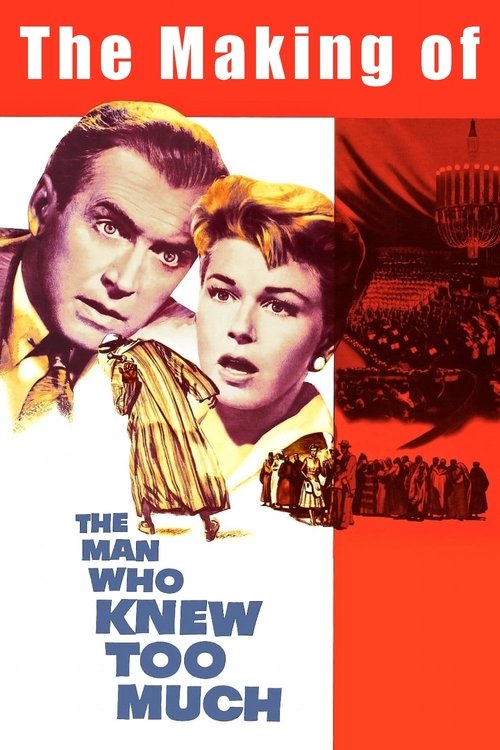
The making of Alfred Hitchcock's 1956 film 'The Man Who Knew Too Much'.
2001
2015
2001
2017
2000

2017
2004
2004
No reviews yet. Be the first to share your thoughts on this movie!
Use the rating form above to leave a star rating and optional review.