Magritte: The False Mirror
1970
No user ratings available yet
Representation score: 4.2 out of 10
Representation Score
Fair
1978
Director
Adrian Maben
Runtime
50 minutes
Average Rating
No ratings yetNew Showbiz Analysis
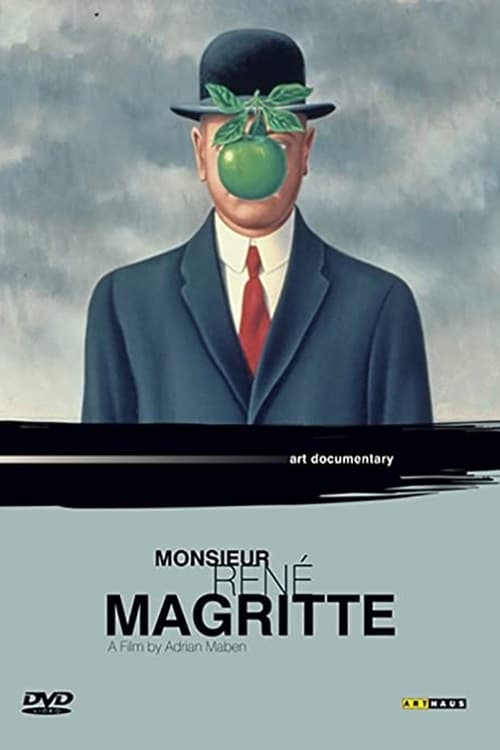
Monsieur René Magritte is a specialized cultural study that prioritizes intellectual subversion over broad demographic representation. It successfully deconstructs Western visual language and institutional truths through the lens of surrealism. However, the film remains confined to a Eurocentric perspective, focusing on a specific European historical figure. This limits its representation of racial and LGBTQ+ issues, as it adheres to traditional Western art history boundaries. Ultimately, the documentary offers a deep dive into Magritte's philosophy rather than a broad exploration of diverse social identities.
Category Breakdown
The film examines Magritte's use of dream logic and imagery that blurs gender lines. There is no clear indication of narratives or character arcs that explore LGBTQ+ themes.
The narrative explores Magritte's depiction of femininity, which shifts between idealized and unsettling representations. This approach challenges traditional views of domestic life.
The documentary focuses on a mid-20th-century Belgian artist and reflects a Eurocentric cultural landscape. It does not include a diverse cast or a global perspective.
The film questions institutional truths and Western visual traditions. It aligns with surrealism's rejection of objective reality in favor of the 'marvelous.'
There is no evidence to suggest that neurodivergence or physical disabilities are central themes or character arcs in this documentary.
Present on Screen
Limited or Absent
Official Synopsis
Documentary about the Belgian surrealist artist who died in 1967.
1970
1960
1946

1950
1947
1985
2003
1964
No reviews yet. Be the first to share your thoughts on this movie!
Use the rating form above to leave a star rating and optional review.