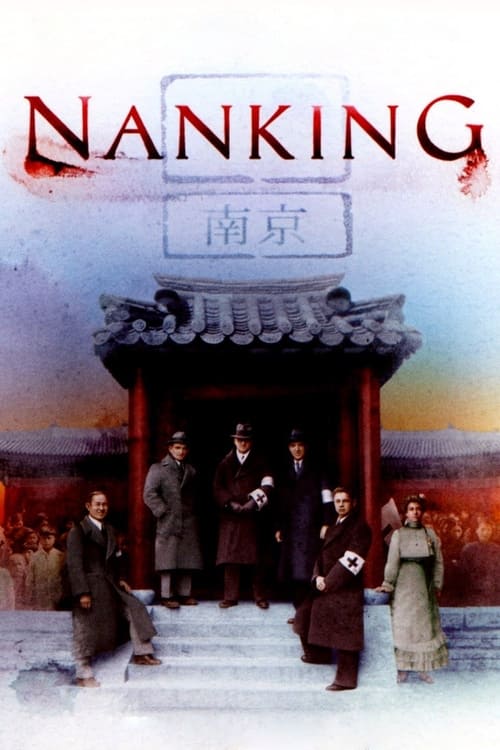
Nanking
2007
No user ratings available yet
Representation score: 4.1 out of 10
Representation Score
Fair
2007
Not RatedDirector
Anne Pick, William Spahic
Runtime
103 minutes
Average Rating
No ratings yetNew Showbiz Analysis
The documentary serves as a vital tool for historical reclamation, shifting the lens from military aggressors to the victims of the Nanking Massacre. It successfully challenges Western-centric historical hierarchies by prioritizing East Asian voices and the lived realities of the oppressed. However, the film's scope is strictly historical and focused on wartime trauma. As a result, it lacks engagement with contemporary identity politics, leaving gaps in representation for LGBTQ+ and neurodivergent communities. Ultimately, the work excels at providing a necessary counter-narrative to conventional military histories, centering racialized and gendered trauma to validate the experiences of those often silenced by mainstream accounts.
Category Breakdown
The film focuses on a specific wartime atrocity and does not include any LGBTQ+ characters or narratives addressing non-straight relationships.
The narrative centers on the systemic victimization of women and mass sexual violence. By focusing on the 300,000 women targeted, it challenges traditional military narratives that prioritize male combatants.
The film functions as a corrective to Western-centric perspectives. It centers the Chinese experience and the ability to act of victims, challenging traditional 'Great Man' theories of history.
The documentary critiques imperialist aggression and the breakdown of human rights. It explores the impact of state-sponsored violence on civilians and challenges the historical erasure of non-Western atrocities.
While the subject matter involves physical trauma, there is no evidence that disability is explored as a distinct identity or through characters with ability to act outside of wartime injury.
Present on Screen
Limited or Absent
Official Synopsis
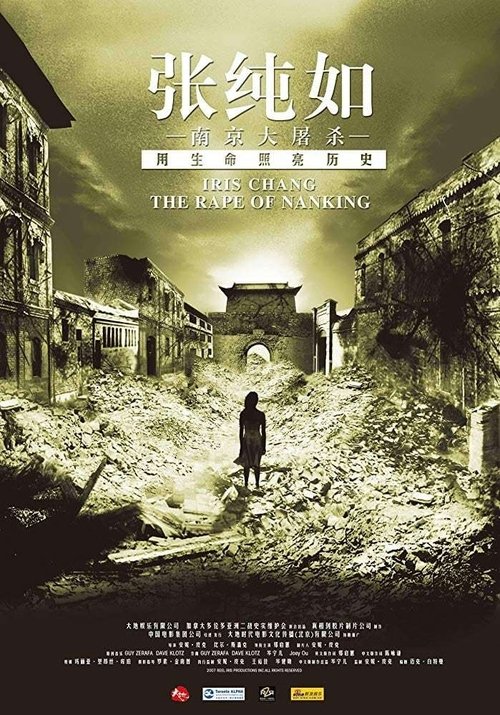
About a young Chinese-American author's journey into the darkest reaches of humanity as she researched and wrote her best selling book "The Rape of Nanking". Iris Chang's harrowing experience and dogged determination uncovers in graphic detail the forgotten holocaust of World War II when almost 300,000 Chinese women, children and soldiers were in a matter of weeks systematically raped, tortured and murdered by the invading Japanese forces.
2007
1998
2009
1985
2016
2009
2014
2014
No reviews yet. Be the first to share your thoughts on this movie!
Use the rating form above to leave a star rating and optional review.