
The Contest
2013
No user ratings available yet
Diversity score: 6.2 out of 10
2016
Director
Tina Mabry
Runtime
48 minutes
Average Rating
No ratings yetSynopsis
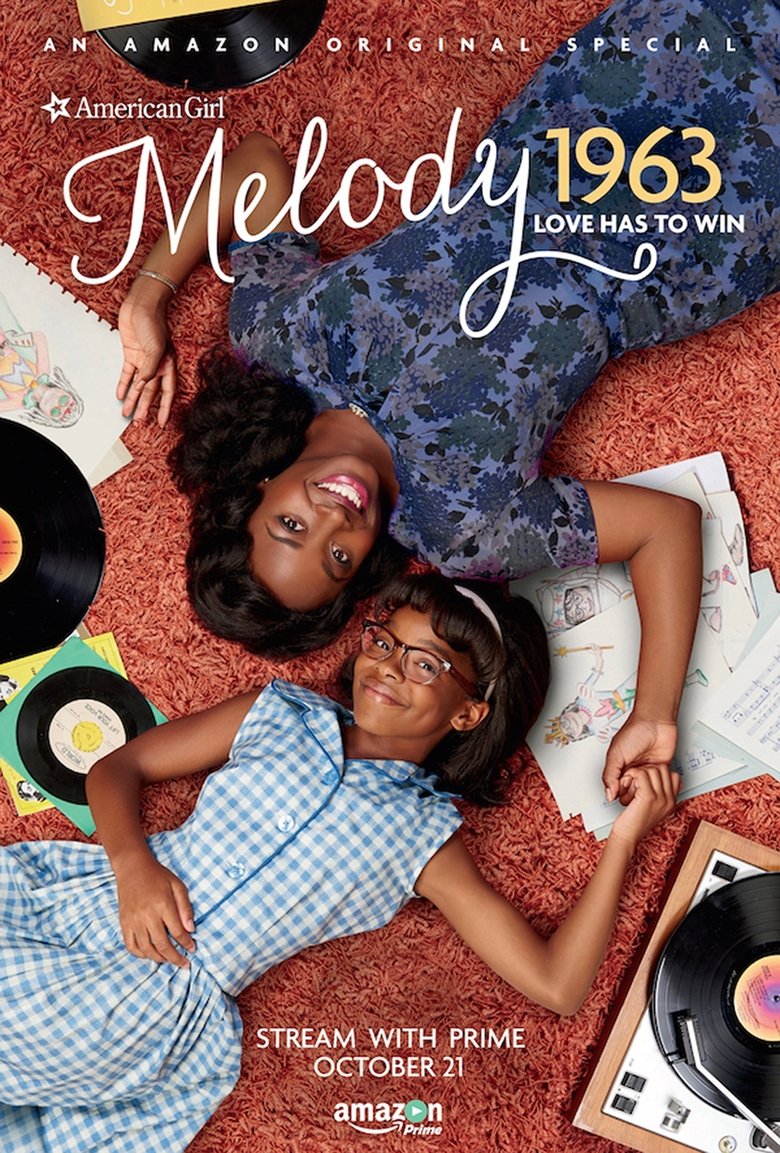
Set in Detroit during the Civil Rights Movement, "An American Girl Story - Melody 1963: Love Has to Win" examines the joyful life and troubled times of an irrepressible 10-year-old African-American girl whose vivid imagination and creativity reinforce her optimism. When shocking national events threaten her sense of security, Melody must find inner strength to restore her hope for a better world.
Overall Score
Good
Category Breakdown
LGBTQ+ Representation
The film does not feature LGBTQ+ characters or storylines. It focuses on identity and social justice without engaging with non-heteronormative gender identities or sexual orientations.
Gender Representation
Melody disrupts traditional hierarchies by centering her intellectual and creative agency. Strong female mentorship from maternal and community figures replaces patriarchal leadership models with female-led support.
Racial & Ethnic Diversity
The film excels by centering an African-American protagonist within the specificities of the 1960s Black experience. It treats the Jim Crow era as a systemic force rather than a mere backdrop.
Religious & Cultural Diversity
The narrative critiques systemic segregation and racial hierarchies. The Black church is depicted as a communal tool for resilience and social cohesion rather than a tool for rigid morality.
Disability Representation
There are no prominent depictions of visible or invisible disabilities that drive the narrative.
Strengths
Areas for Improvement
AI Analysis
Melody 1963: Love Has to Win is a progressive family film that avoids a sanitized version of American history. By placing a Black female protagonist at the center of a narrative about systemic oppression, it provides a sophisticated look at the Civil Rights Movement. The film's strength lies in its commitment to intersectional storytelling and character agency. It successfully portrays a Black community with depth and cultural richness, challenging the historical marginalization of these voices in mainstream media. While the film excels in racial and cultural representation, it lacks engagement with LGBTQ+ identities or disability narratives. However, its focus on social justice and the deconstruction of historical hierarchies makes it a significant entry in its genre.
2013
1989

2016

2021
2017
1998
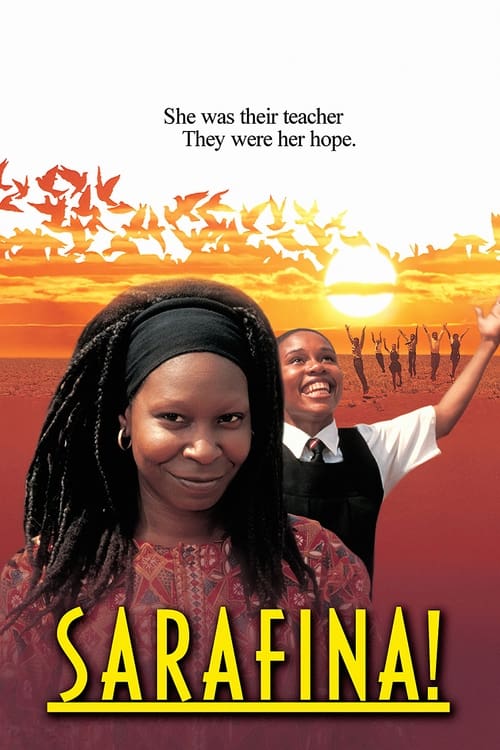
1992
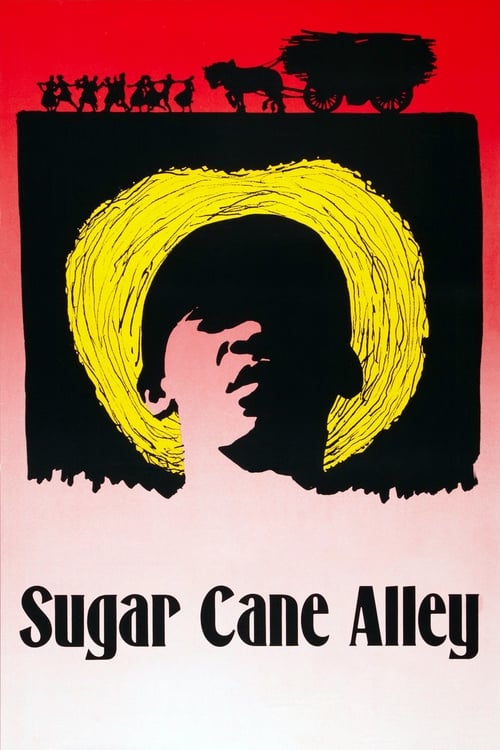
1983

2016
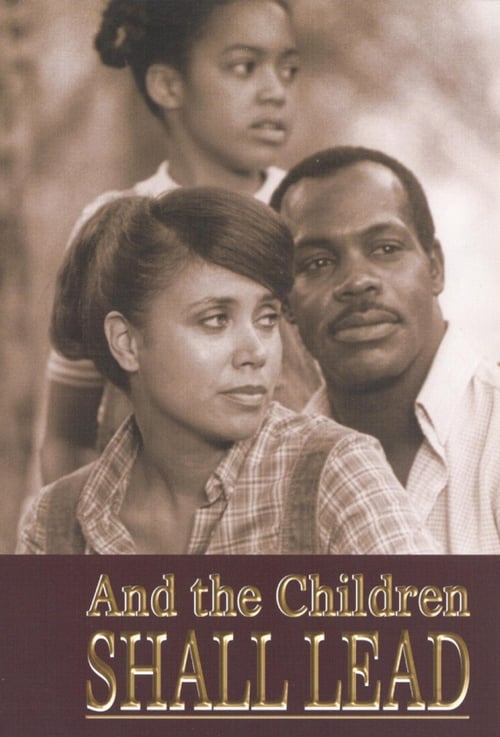
1985
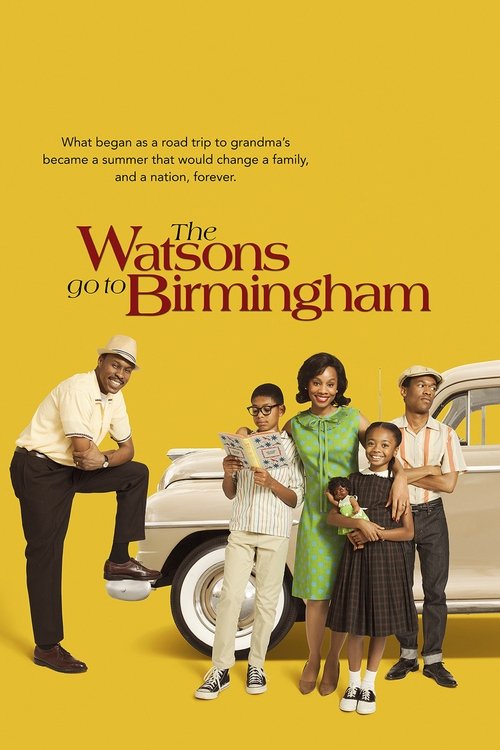
2013

2000
No reviews yet. Be the first to share your thoughts on this movie!
Use the rating form above to leave a star rating and optional review.