
Lola auf der Erbse
2014
No user ratings available yet
Representation score: 4.7 out of 10
Representation Score
Fair
2013
TV-PGDirector
Martin Miehe-Renard
Runtime
96 minutes
Average Rating
No ratings yetNew Showbiz Analysis
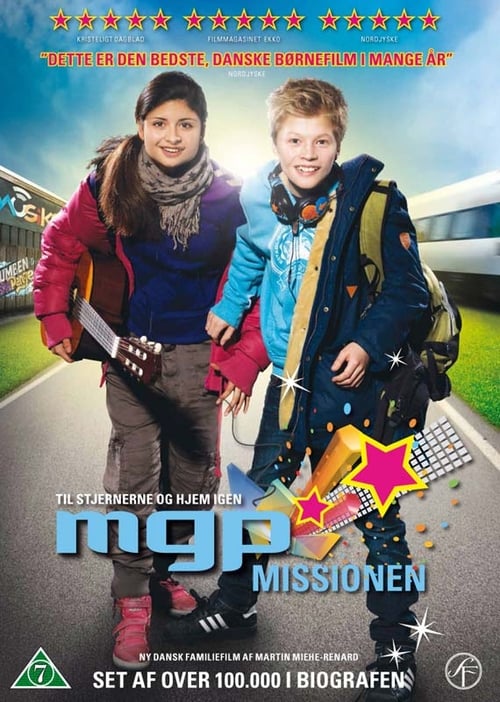
The film succeeds in challenging monolithic national identities by focusing on the multicultural reality of Nørrebro. By placing a Danish-Turkish girl as the knowledgeable guide, it moves away from homogeneous European clichés and offers a more layered urban portrait. While the film provides strong ability to act to its female lead and handles ethnic integration with nuance, it remains limited in other areas. The lack of LGBTQ+ visibility and disability representation prevents a more inclusive score. Ultimately, the film enhances typical family fare by exploring the clash between provincial homogeneity and the complex, diverse social fabric of the big city.
Category Breakdown
The film does not include explicit LGBTQ+ characters or themes. It focuses on the mentorship between the two main characters rather than non-straight relationships.
Sawsan challenges traditional gender roles by being the more experienced and socially adept lead. She drives the story forward, guiding the male protagonist through his new surroundings.
The story centers on ethnic integration within a multicultural urban setting. Featuring a Danish-Turkish protagonist, the film presents a pluralistic view of modern Danish identity.
The plot explores the tension between traditional religious authority and modern secular aspirations. Sawsan’s musical aspirations create a conflict between her father's expectations and her personal goals.
There are no visible or mentioned depictions of physical or neurodivergent disabilities within the narrative.
Present on Screen
Limited or Absent
Official Synopsis
Being a stranger doesn’t necessarily mean to be coming from the farthest away. Karl and his mother are about to learn this when they move from the west coast of Denmark to the ethnically and religiously mixed area of Nørrebro in Copenhagen. Sawsan, a Danish-Turkish girl in Karl’s new class, takes him under her wings and tries to integrate him into the big city, with all its slang and hipness. Sawsan is far more experienced and blunt than most – especially compared to Karl, this young Danish boy from the provinces. Sawsan’s big dream comes true when one of her songs is chosen for the Danish version of the Eurovision Song Contest for kids. Sawsan’s father of course says no, but Karl has a plan.
2014

2017
2006
2011

2019

2019
2011
2017
No reviews yet. Be the first to share your thoughts on this movie!
Use the rating form above to leave a star rating and optional review.