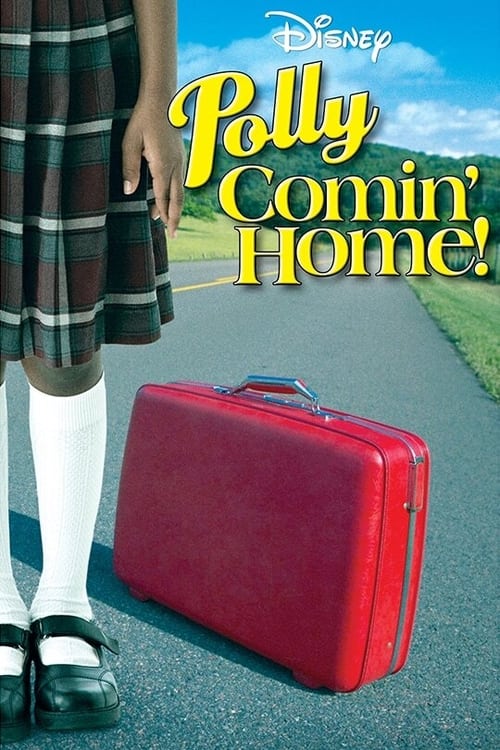
Polly: Comin' Home!
1990
No user ratings available yet
Representation score: 6.4 out of 10
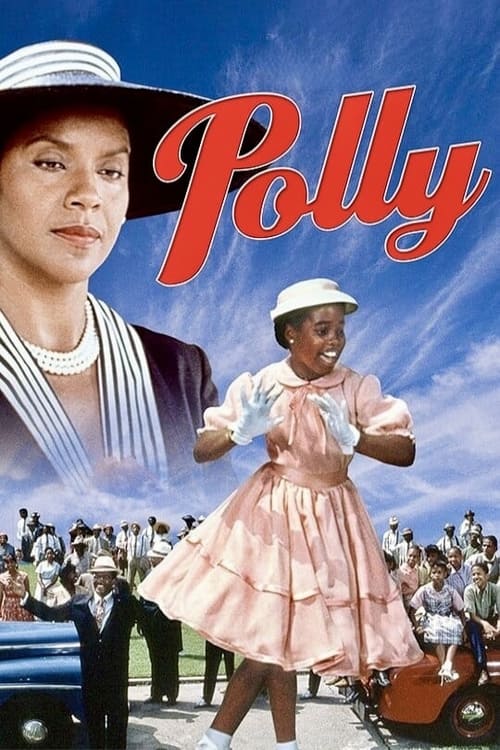
Representation Score
Good
1989
GDirector
Debbie Allen
Runtime
100 minutes
Average Rating
No ratings yetNew Showbiz Analysis
Polly (1989) is a significant act of narrative reclamation. By recontextualizing a classic literary framework through a Black lens, the film disrupts the homogeneity typical of mid-century period dramas. The high racial diversity score stems from the intentional casting and Debbie Allen's direction, which transforms a standard orphan story into a study of community ability to act. This approach challenges the white-centric archetypes of the original source material. While the film excels in racial representation and women's ability to drive the story, it remains limited in its exploration of LGBTQ+ identities and specific disability portrayals, leaning instead toward traditional communal harmony.
Category Breakdown
The film does not include explicit LGBTQ+ characters or narratives. It focuses on traditional family structures within a mid-century setting, reinforcing the assumption that everyone is straight or cisgender.
The story centers on the emotional intelligence and leadership of the female protagonist. It prioritizes female perspectives in leadership and social cohesion, challenging the cliché of the passive child.
This production offers exceptional representation by using a predominantly Black cast for a classic story. It places Black characters in central social roles, reclaiming ability to act and disrupting traditional narratives.
The narrative explores communal solidarity and social hierarchies. While it emphasizes community unity, it lacks explicit themes of systemic deconstruction or overt secularism.
There is no specific evidence of physical or neurodivergent disability portrayals. The protagonist's 'gladness' functions as a psychological coping mechanism rather than a clear disability narrative.
Present on Screen
Limited or Absent
Official Synopsis
An musical adaptation of the book "Pollyanna" set in the 1950's in which an orphan tries to use gladness to unite the people in a small southern town.
1990
1937
1968
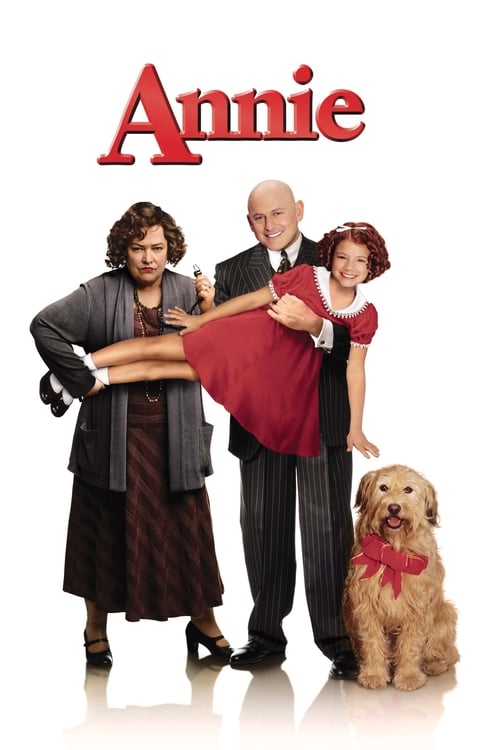
1999
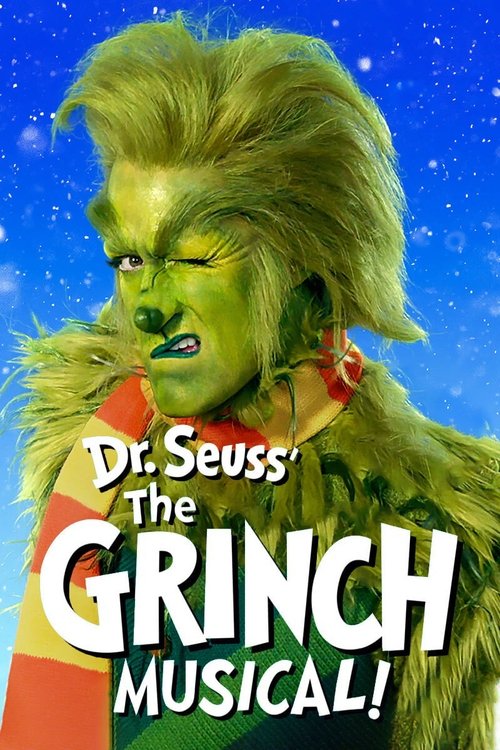
2020
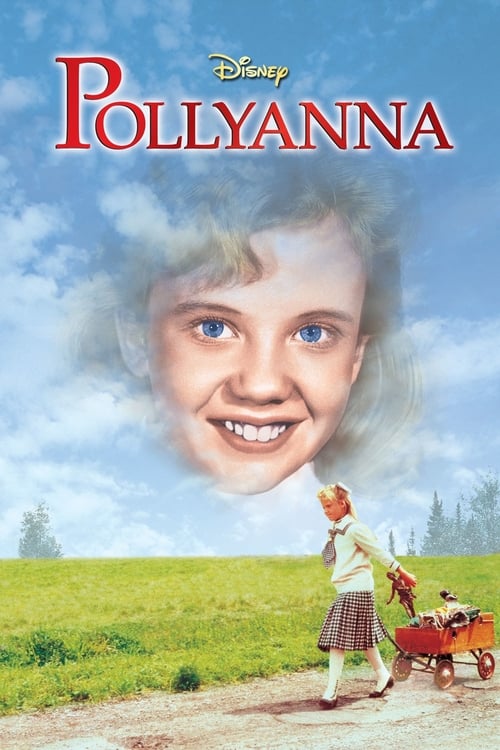
1960
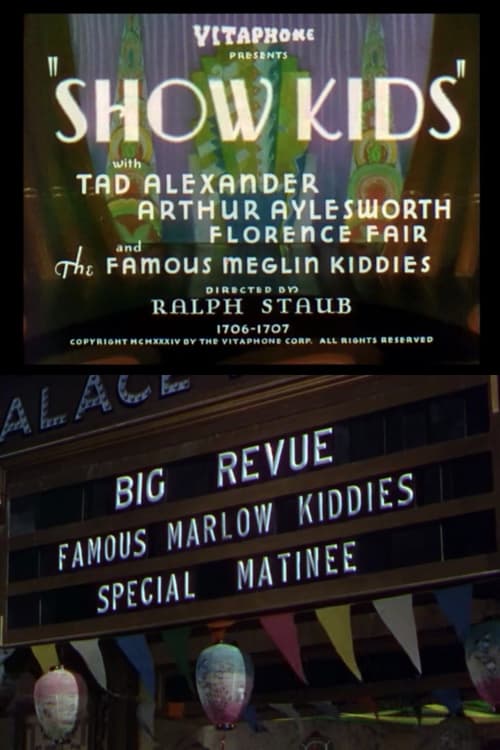
1935
1957
No reviews yet. Be the first to share your thoughts on this movie!
Use the rating form above to leave a star rating and optional review.