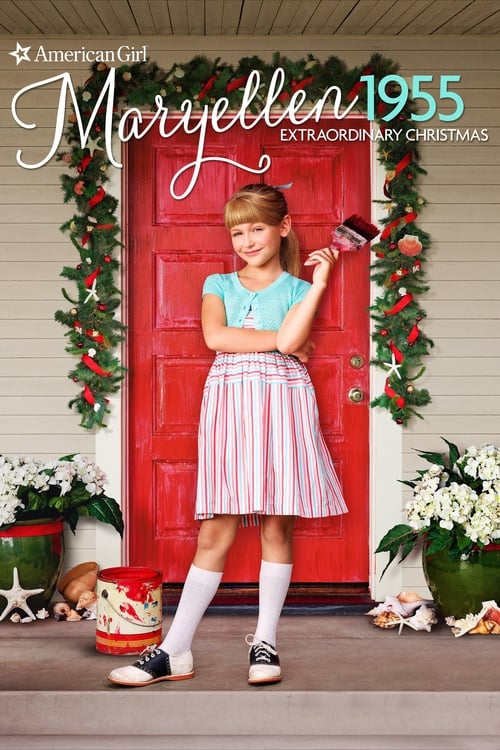
An American Girl Story: Maryellen 1955 - Extraordinary Christmas
2016
No user ratings available yet
Diversity score: 3.0 out of 10
2021
Director
John Sheedy
Runtime
96 minutes
Average Rating
No ratings yetSynopsis
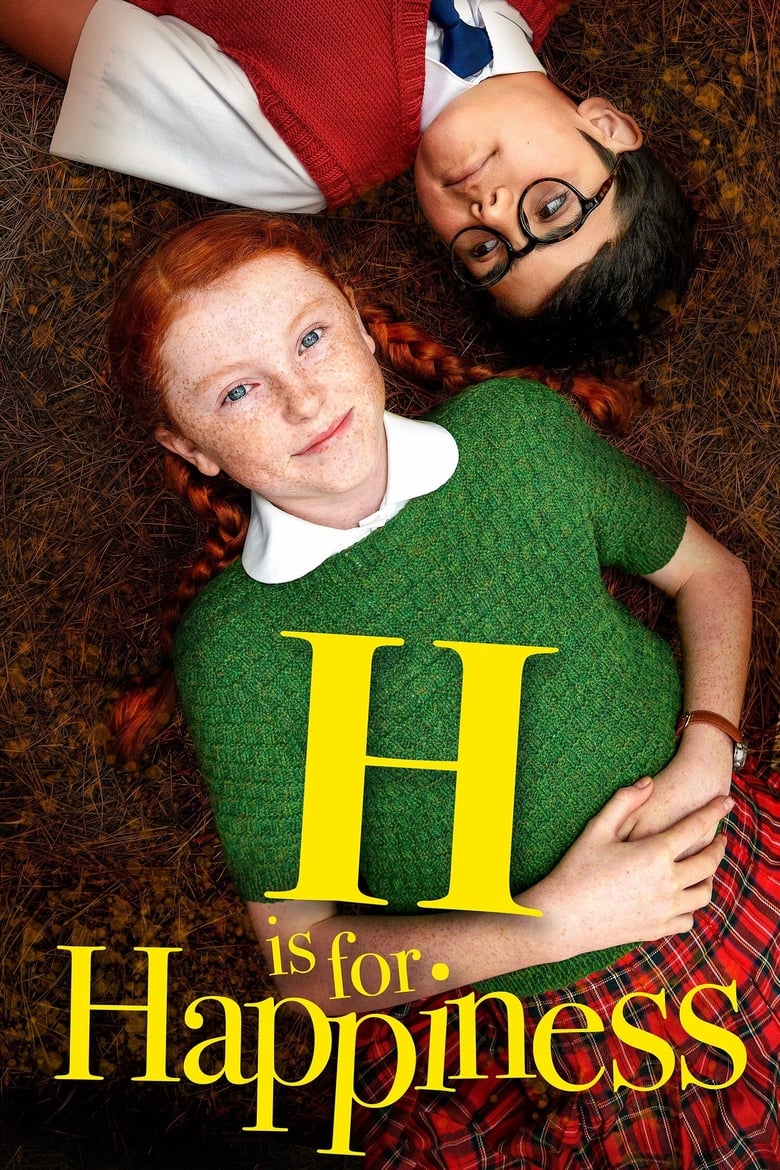
A twelve year old girl with boundless optimism and a unique view of the world is inspired by the strange new boy at school, and sets out to mend her broken family – whatever it takes.
Overall Score
Fair
Category Breakdown
LGBTQ+ Representation
The film lacks overt LGBTQ+ characters or narratives. The story focuses strictly on neurodivergent experiences and maternal bonds within its period setting.
Gender Representation
The narrative explores maternal caregiving and single-parent dynamics. It avoids traditional patriarchal leadership but does not explicitly subvert gendered power hierarchies.
Racial & Ethnic Diversity
The film depicts a relatively homogeneous suburban Australian landscape. There is no evidence of a diverse, multi-ethnic cast disrupting 1960s demographic norms.
Religious & Cultural Diversity
The story challenges social etiquette through a unique worldview. However, it focuses on emotional healing rather than critiquing Western institutions like religion.
Disability Representation
The film excels by centering a neurodivergent protagonist. Heath is granted significant agency, providing an authentic portrayal of navigating a world not designed for him.
Strengths
Areas for Improvement
AI Analysis
H Is for Happiness distinguishes itself through a sophisticated portrayal of neurodivergence. By utilizing a non-standard cognitive lens, the film shifts the narrative focus away from traditional social hierarchies to prioritize the protagonist's unique perception of reality. While the film succeeds in disability representation, it remains largely traditional in other areas. The 1960s Australian setting results in a homogeneous racial and cultural landscape that lacks intersectional depth. Ultimately, the film is a specialized character study. It achieves meaningful representation for autism but does not engage in broader systemic critiques of gender or social structures.
2016
2007
2021
2018
2000
2013

2021

2019
2010
2016
2012
2017
No reviews yet. Be the first to share your thoughts on this movie!
Use the rating form above to leave a star rating and optional review.