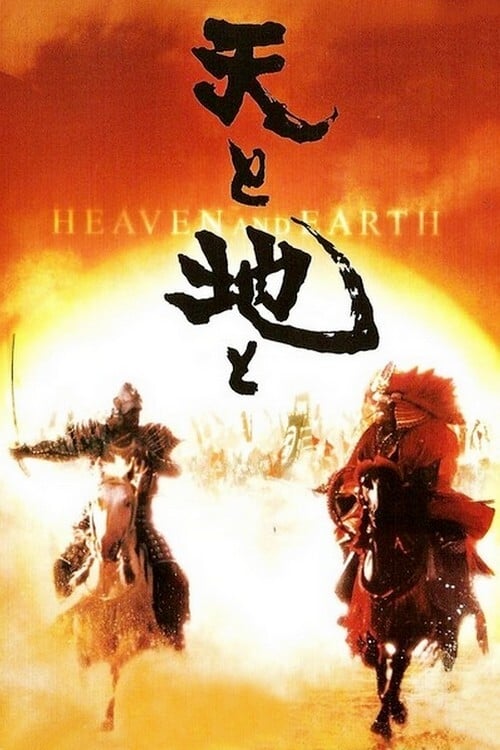
Heaven and Earth
1990
No user ratings available yet
Diversity score: 4.0 out of 10

2001
Director
Ermanno Olmi
Runtime
105 minutes
Average Rating
No ratings yetSynopsis
In autumn of 1526, the Emperor, Charles V, sends his German landsknechts led by Georg von Frundsberg to march towards Rome. The inferior papal armies, commanded by Giovanni de'Medici, try to chase them in the midst of a harsh winter. Nevertheless, the Imperial armies manage to cross the rivers along their march and get cannons thanks to the maneuvers of its Lords. In a skirmish, Giovanni de'Medici is wounded in the leg by a falconet shot. The attempts to cure him fail and he dies. The Imperial armies assault Rome. The film is beautifully but unassumingly set, and shows the hard conditions in which war is waged and its lack of glory. It ends straightforwardly with the declaration made after the death of Giovanni de'Medici by the commanders of the armies in Europe of not using again fire weapons because of their cruelty.
Overall Score
Fair
Category Breakdown
LGBTQ+ Representation
The film focuses on the rigid, patriarchal structures of 16th-century military life. There are no discernible narratives addressing queer themes or non-cisnormative identities.
Gender Representation
Agency is concentrated almost exclusively in male commanders and soldiers. The film highlights grim, male-dominated violence rather than subverting traditional gender roles or presenting female agency.
Racial & Ethnic Diversity
The cast reflects 16th-century European power dynamics, focusing on German and Italian forces. It lacks intersectional breadth, functioning as a study of European internal conflict.
Religious & Cultural Diversity
The film subverts Western institutional ideals by presenting a skeptical view of empire and religious leadership. It portrays the machinery of war as inherently destructive and devoid of moral triumph.
Disability Representation
Physical trauma is depicted through the wounding of Giovanni de' Medici. This emphasizes the era's medical limitations rather than providing agency to a character with a disability.
Strengths
Areas for Improvement
AI Analysis
The film prioritizes historical realism and a critique of systemic violence over demographic diversity. It adheres strictly to the social hierarchies of the 16th century, which limits the representation of various identities. While it lacks breadth in gender and LGBTQ+ categories, it excels in cultural subversion. It deconstructs the 'glory' of war, focusing instead on the dehumanizing effects of new military technologies. Ultimately, the work is a study of European conflict that uses historical accuracy to highlight the cruelty of power rather than to showcase a diverse global tapestry.
1990

1987
1968
1975
2019
2009
1993
1964
1973
2006
2008
1997
No reviews yet. Be the first to share your thoughts on this movie!
Use the rating form above to leave a star rating and optional review.