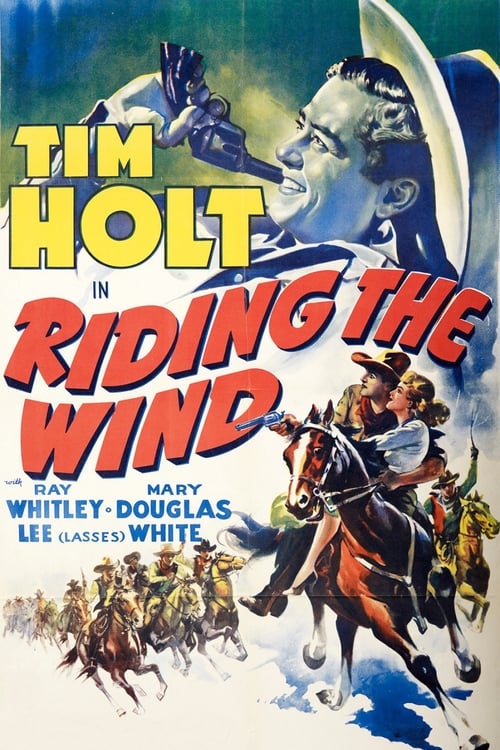
Riding the Wind
1942
No user ratings available yet
Representation score: 1.9 out of 10

Representation Score
Minimal
1941
PassedDirector
William Morgan
Runtime
65 minutes
Average Rating
No ratings yetNew Showbiz Analysis
The film opens on the pastoral Wyoming landscape, a space defined by open range and individual virtue, before introducing the threat of industrial clearcutting. This setup frames the conflict not as a complex environmental or economic debate, but as a moral struggle between the authentic rural cowboy and the corrupt, distant lumber barons. Gene Autry is the unmarked standard of competence and goodness, his whiteness and masculinity treated as the natural order. The camera lingers on his confident posture and his horse, reinforcing the myth of the self-sufficient frontier hero. The sold meaning is clear: the cowboy is the savior of the West, and his personal virtue is the only reliable check on systemic corruption. The film’s argument is that rugged individualism is superior to bureaucratic or industrial power. However, this argument is simplified by the film’s internal logic. The villain is not a nuanced antagonist but a caricature of greed, and the resolution relies entirely on Autry’s intervention rather than any structural change. The system is not challenged; it is merely corrected by the hero’s presence. The ending settles the film’s values: Autry is rewarded with romantic affection and the preservation of the land, while the corrupt interests are defeated. The camera loves the cowboy, treating him as holy and unimpeachable. The film is a straightforward moral fable, lacking irony or complexity, but it is effective in its purpose of reinforcing the legend of the Gene Autry brand. The last image is one of triumph and harmony, affirming the traditional hierarchy of the Western genre.
Category Breakdown
Romantic and social dynamics remain strictly heterosexual and binary. The narrative contains no queer characters, intimacy, or discussion of non-normative identities.
Women serve as moral prizes or obstacles rather than agents. Billie Wentworth validates the hero, while Susanna Peabody is a political tool used to secure a state park.
The cast is entirely white, presenting a homogeneous frontier where racial difference is invisible. This reinforces the unmarked whiteness of the Western genre.
The film upholds rural individualism and the cowboy as the moral center. Political institutions are portrayed as corrupt, while the self-sufficient rancher embodies authentic virtue.
No characters display physical, sensory, or cognitive impairments. The narrative relies on able-bodied physicality and competence without addressing disability.
Present on Screen
Limited or Absent
Official Synopsis
By stripping all the timber from the land, a lumber baron threatens everyone with flooding. Gene won't let that happen.
1942
1939
1939

1939
1939
1969
1941
1963
No reviews yet. Be the first to share your thoughts on this movie!
Use the rating form above to leave a star rating and optional review.