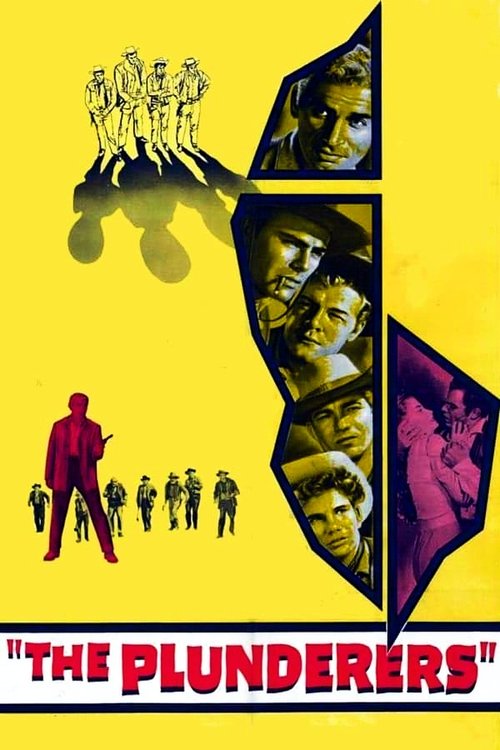
The Plunderers
1960
No user ratings available yet
Representation score: 0.8 out of 10
Representation Score
Limited
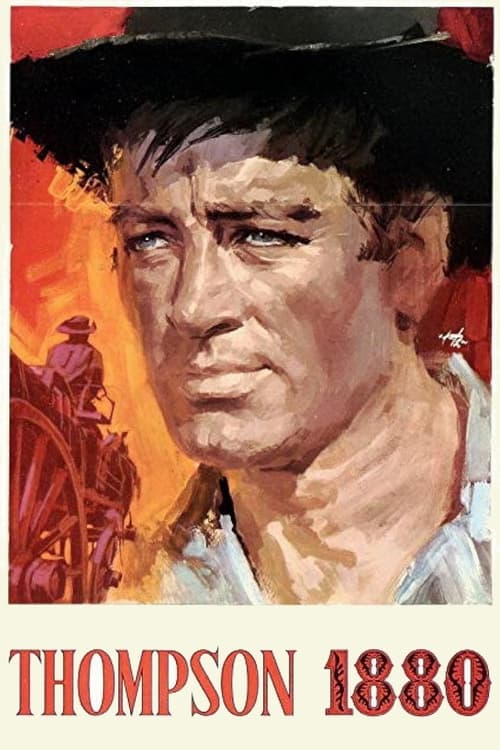
1966
Director
Guido Zurli
Runtime
88 minutes
Average Rating
No ratings yetNew Showbiz Analysis
Thompson 1880 is a conventional 1960s Western that prioritizes traditional genre clichés over social subversion. While it introduces a female character who initiates the moral conflict, the film remains anchored in a masculine hero’s journey. The production lacks diverse representation, particularly regarding racial and LGBTQ+ identities. The story focuses on individual struggle against local corruption rather than broader systemic or cultural critiques. Ultimately, the film adheres to the established norms of its era, offering a standard hero-versus-exploiter dynamic without significant progressive character development.
Category Breakdown
The film does not depict any non-straight relationships or same-sex intimacy. The story revolves around a traditional Western protagonist-antagonist dynamic.
Sheila plays a significant role by challenging local power structures, but she mainly serves as a motivator for Ray, whose journey as a masculine hero remains central.
There are no characters of color with significant roles. The setting suggests a homogeneous cast typical of the Western genre's historical clichés.
The narrative explores themes of economic survival and corruption through a lens of individual justice. It follows a standard moral binary rather than offering a broader systemic critique.
The narrative does not mention any characters dealing with physical, sensory, or neurodivergent conditions.
Present on Screen
Limited or Absent
Official Synopsis
Ray, young and destitute, reaches Desert Spring, carrying a case on top of his mule. A gang headed by Brady uses apparently legal means to prevent anyone from trading and exploits all the town's possibilities for itself. The only one who dares to protest is Sheila, the daughter of a tradesman who has been ruined by Brady. She therefore welcomes Ray, hoping to make him an ally. But the young man doesn't even known how to handle a gun. However, when Brady's men beat him up and humiliate him, Ray decides to stay.
1960
1967

1955
1969

1971
1971
1964

1980
No reviews yet. Be the first to share your thoughts on this movie!
Use the rating form above to leave a star rating and optional review.