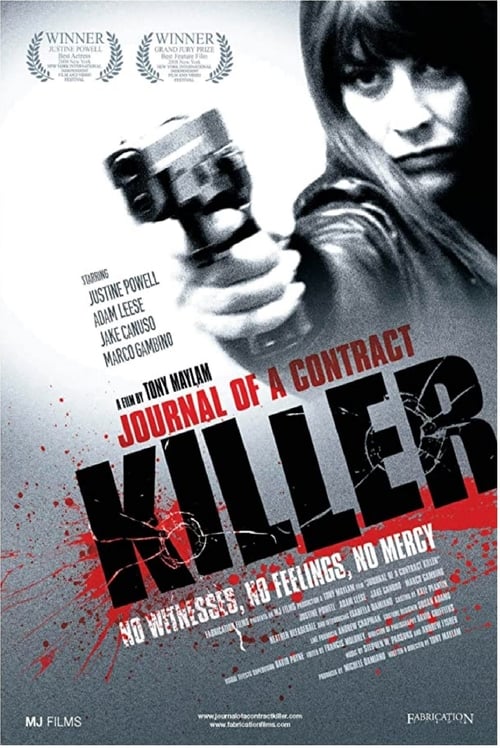
Journal of a Contract Killer
2008
No user ratings available yet
Representation score: 4.7 out of 10

Representation Score
Excellent
2005
RDirector
Lee Daniels
Runtime
93 minutes
Average Rating
No ratings yetNew Showbiz Analysis
Shadowboxer succeeds as a subversive period piece that challenges traditional expectations. By centering a Black female protagonist in the hyper-masculine world of 1920s boxing, it disrupts racial and gendered stereotypes of the era. The film excels in its immersive depiction of Harlem, providing characters of color who play a significant role in driving the story. It avoids common historical pitfalls by focusing on systemic barriers and community resilience rather than idealized progress. While the film lacks LGBTQ+ diversity and focuses on conventional romantic structures, its exploration of gendered strength and socioeconomic struggle provides a rich, nuanced portrait of survival.
Category Breakdown
The film focuses on traditional heterosexual relationships and does not center on LGBTQ+ identities or same-sex intimacy as primary plot drivers.
Lily challenges traditional gender roles by acting as a prize fighter and provider. The narrative balances her physical strength with the complexities of her maternal instincts.
Set in 1920s Harlem, the film centers a predominantly Black cast. It offers an immersive look at Black life during the Jim Crow era, avoiding the white gaze.
The story critiques the economic and institutional limitations of the early 20th century. Moral choices are driven by survival needs rather than traditional Western or religious morals.
The film addresses terminal illness as a lived reality for the characters. Health struggles are treated as part of the survival narrative rather than spectacle.
Present on Screen
Limited or Absent
Official Synopsis
Mikey and Rose are professional assassins. They are also lovers, and once upon a time Rose also knew Mikey's father. During an elaborate hit job for a malicious gangster, Rose fails to kill the main target, the gangster's pregnant girlfriend. Instead, she delivers her baby and convinces Mikey to help her protect them both. As Rose weakens from cancer, Mikey becomes breadwinner for this unusual family. But tranquility will not last.
2008
2001
2009

2005
2009
2000
2001

2008
No reviews yet. Be the first to share your thoughts on this movie!
Use the rating form above to leave a star rating and optional review.