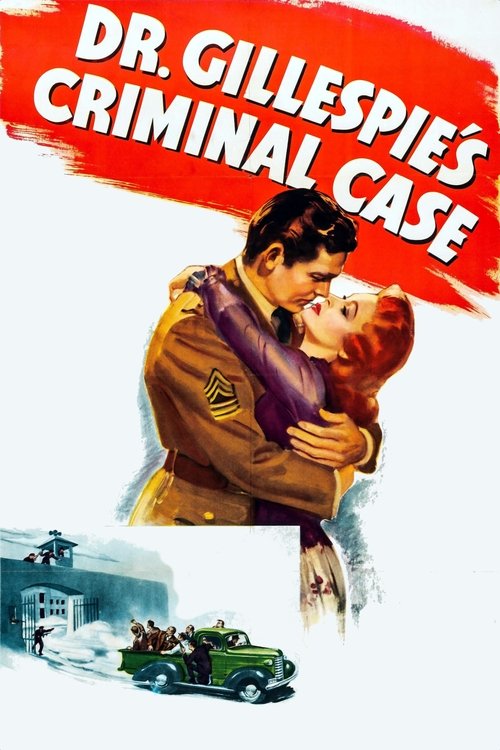
Dr. Gillespie's Criminal Case
1943
No user ratings available yet
Representation score: 2.2 out of 10
Representation Score
Minimal
1942
NRDirector
Harold S. Bucquet
Runtime
89 minutes
Average Rating
No ratings yetNew Showbiz Analysis
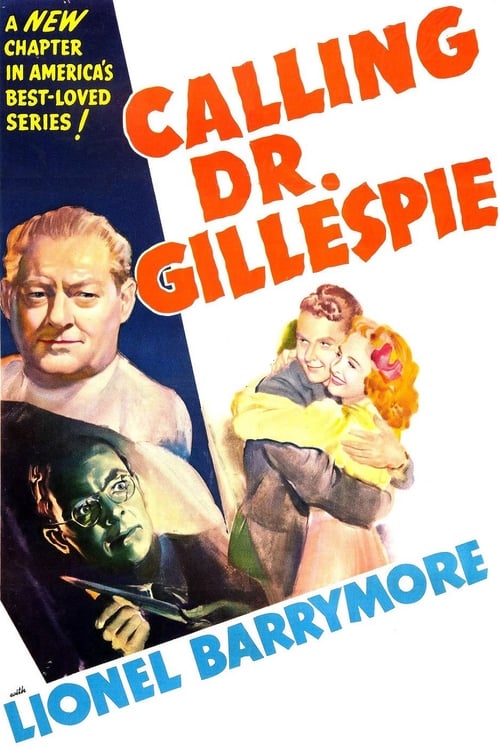
Calling Dr. Gillespie is a quintessential product of the 1940s studio system, designed to uphold existing social and professional hierarchies. The film emphasizes the stability of Western medical institutions and traditional masculine leadership. While the plot utilizes a mental health crisis to drive its thriller elements, it lacks multi-layered complexity. The narrative structure reinforces the status quo of its era rather than challenging it. Ultimately, the film offers a highly conventional depiction of society, focusing on institutional expertise and patriarchal authority.
Category Breakdown
The film does not include any LGBTQ+ characters or non-straight relationships. It adheres strictly to the social and cinematic norms of 1942, presenting a traditional social framework.
Power and influence are concentrated almost exclusively among the male medical staff. Female characters appear mainly as nurses, functioning primarily in supportive, secondary roles that reinforce traditional gender roles.
The cast is predominantly homogeneous, reflecting the systemic lack of representation in early 1940s studio productions. There is no evidence of significant racial diversity or non-white characters with substantial roles.
The narrative highlights the competence of established medical structures and Western institutional authority. It celebrates the hospital as a cornerstone of society, presenting professional hierarchies as essential for social cohesion.
A character's mental health crisis drives the central conflict, but the portrayal leans toward sensationalized thriller clichés. The condition serves more as a narrative device than a nuanced exploration of the experience.
Present on Screen
Limited or Absent
Official Synopsis
Dr. Kildare's friend Dr. Gillespie is called in to investigate when a young man suffering from mental problems disappears on a killing spree.
1943

1946
1946
1942
1945
1945
1944

1944
No reviews yet. Be the first to share your thoughts on this movie!
Use the rating form above to leave a star rating and optional review.