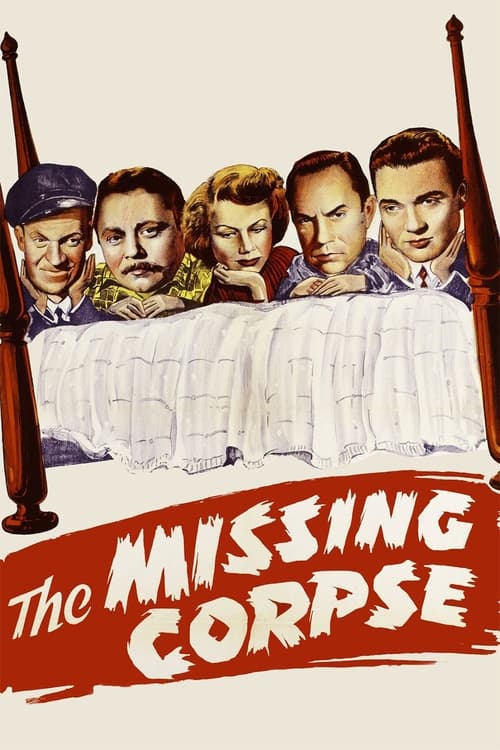
The Missing Corpse
1945
No user ratings available yet
Representation score: 1.7 out of 10

Representation Score
Minimal
1944
NRDirector
Alfred E. Green
Runtime
78 minutes
Average Rating
No ratings yetNew Showbiz Analysis
Strange Affair is a classic product of the 1940s Hollywood studio system, relying heavily on established genre clichés and traditional social hierarchies. It offers little in the way of challenging or complicating these structures. The film's world is characterized by a homogeneous, white, middle-class professional environment. The narrative focuses on male-centric social circles, such as doctors and colleagues, limiting its representation of diverse social groups. While the inclusion of a femme fatale archetype provides some female influence, the broader framework remains conventional. The film operates as a standard mystery that reinforces the social order of its time.
Category Breakdown
The film follows a typical mid-century mystery format and does not depict any non-straight relationships or non-binary gender identities.
Jane Greer's character suggests a femme fatale archetype with some ability to act, but the overall plot adheres to traditional gender roles. The mystery revolves around male-dominated professional circles.
The cast and setting reflect the homogeneous social standards of 1944, with no representation of non-white characters or intentional racial diversity.
The narrative upholds the stability of established professional hierarchies and Western social norms, following a conventional moral path typical of the era.
None of the characters have visible or invisible disabilities, and there is no indication of neurodivergence or physical disabilities in the story.
Present on Screen
Limited or Absent
Official Synopsis
Eminent psychiatrist Dr. Brenner invites cartoonist Bill Harrison and his wife, Jack, to a banquet honoring war refugees. Bill volunteers to pick up fellow psychiatrist Dr. Baumler at the train station, but the man vanishes when he has Bill stop so he can use a pay phone. At the dinner, Bill and Jack are seated with Brenner's daughter, Freda, and, to Bill's surprise, another man is introduced as Baumler -- who dies moments later.
1945

1946
1950
1944
1941
1934
1942
1938
No reviews yet. Be the first to share your thoughts on this movie!
Use the rating form above to leave a star rating and optional review.