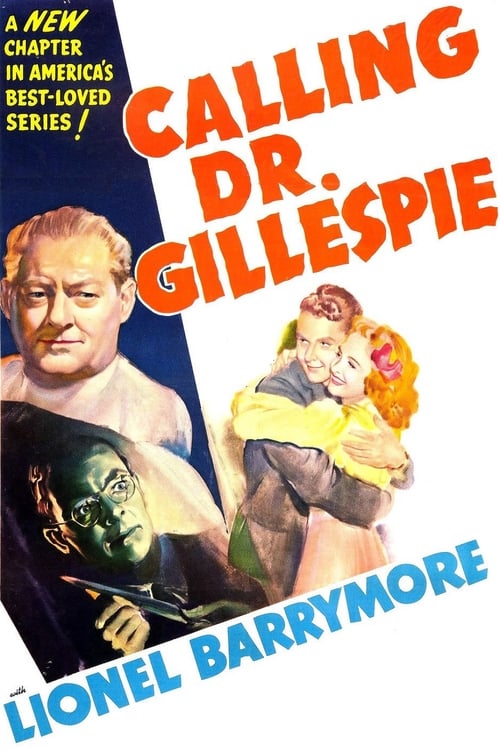
Calling Dr. Gillespie
1942
No user ratings available yet
Representation score: 1.6 out of 10
Representation Score
Limited
1943
NRDirector
Willis Goldbeck
Runtime
89 minutes
Average Rating
No ratings yetNew Showbiz Analysis
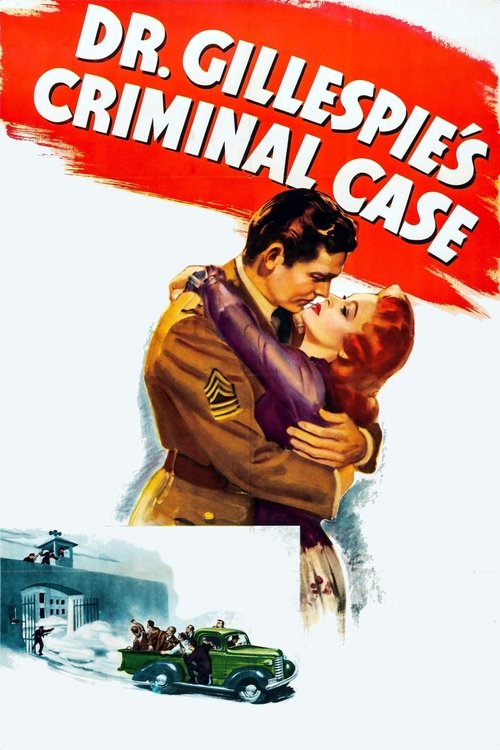
Dr. Gillespie's Criminal Case is a period-specific medical drama that prioritizes institutional stability and genre formulas. The narrative centers on the tension between legal justice and psychiatric intervention, focusing on the professional dilemmas faced by hospital staff. The film adheres to the social hierarchies and gender roles of the 1940s, offering little disruption to traditional casting or gender norms. While it touches on mental health, it does so through a lens of institutional morality rather than progressive character development. Ultimately, the work functions as a standard genre piece that upholds the status quo of its time rather than challenging systemic norms.
Category Breakdown
The film does not include any LGBTQ+ identities or same-sex relationships. It reinforces traditional heterosexual relationships typical of the 1940s.
The story centers on male doctors and their authority. Women appear in supporting roles within the established hierarchy of the hospital.
The narrative focuses on conflicts within Western institutions. It lacks a diverse cast, likely reflecting the homogeneous demographics of the era.
The film emphasizes the authority of Western institutions such as hospitals and legal systems. It prioritizes maintaining social order over exploring diverse cultural perspectives.
The plot explores the relationship between criminal behavior and mental health issues. Characters with neurodivergent conditions are used primarily as plot devices.
Present on Screen
Limited or Absent
Official Synopsis
In this 13th entry to the Dr. Kildare series, the medical staff of Blair General hospital are challenged with further dilemmas, not the least of which includes a prison inmate who Dr. Gillespie believes belongs instead in an insane asylum.
1942

1946

1942
1945
1945
1945
1943

1947
No reviews yet. Be the first to share your thoughts on this movie!
Use the rating form above to leave a star rating and optional review.