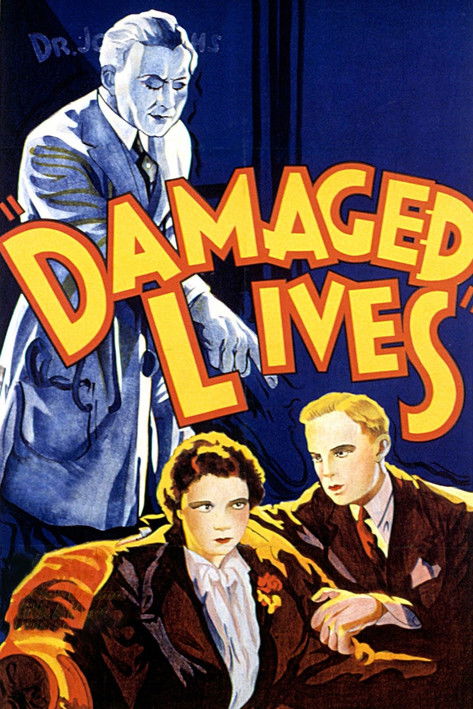
Damaged Lives
1933
No user ratings available yet
Representation score: 3.3 out of 10
Representation Score
Minimal
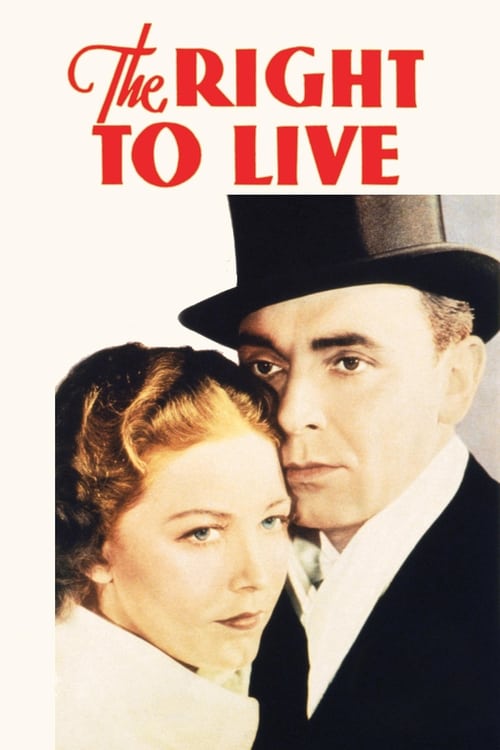
1935
NRDirector
William Keighley
Runtime
75 minutes
Average Rating
No ratings yetNew Showbiz Analysis
The Right to Live is a mid-1930s domestic melodrama that adheres strictly to the era's traditional moral frameworks. The plot focuses on infidelity and physical tragedy, reinforcing conventional social structures rather than challenging them. Representation is limited by the period's cinematic standards. The film lacks racial diversity and LGBTQ+ narratives, focusing instead on a narrow, heterosexually centered domestic conflict. Disability is used as a plot catalyst for tragedy rather than a nuanced character study.
Category Breakdown
The film centers on a heterosexual relationship conflict involving a wife, her husband, and his brother. There is no evidence of LGBTQ+ identities or narratives that question heterosexuality.
The narrative relies on traditional melodramatic clichés. While the female protagonist exercises significant control through an affair, the plot is driven by the male lead's physical incapacity and domestic fallout.
There is no indication of a diverse or non-Anglo-Saxon cast. The film likely reflects the homogeneous casting standards prevalent in 1935.
The premise focuses on traditional moral consequences regarding marital infidelity. The story does not appear to challenge Western institutions like the nuclear family or religious morality.
A character with a broken back is featured as a central element. However, this condition serves primarily as a narrative device to facilitate tragedy rather than exploring lived experiences.
Present on Screen
Limited or Absent
Official Synopsis
A man with a broken back dies after his wife has an affair with his brother.
1933
1938
1939

1935
1931
1935
1933
1930
No reviews yet. Be the first to share your thoughts on this movie!
Use the rating form above to leave a star rating and optional review.