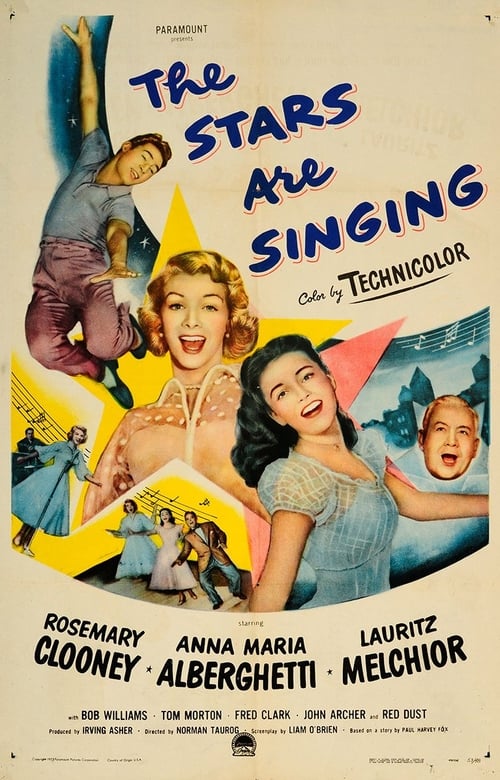
The Stars Are Singing
1953
No user ratings available yet
Representation score: 2.8 out of 10

Representation Score
Minimal
1936
ApprovedDirector
Kurt Neumann
Runtime
70 minutes
Average Rating
No ratings yetNew Showbiz Analysis
Let's Sing Again is a typical 1930s escapist musical that focuses on light-hearted romance and vocal talent rather than addressing social complexities. The narrative structure relies on established social hierarchies and traditional success stories, avoiding any disruption of existing power dynamics. As a historical artifact, the film reflects the demographic norms and cultural uniformity of mid-century American studio productions. It does not aim to challenge social norms or provide diverse representation. Ultimately, the film reinforces traditional Western, Anglo-Saxon cultural values and gender norms, presenting a standardized view of American life through the lens of professional talent and merit.
Category Breakdown
The film strictly follows the social norms of the 1930s and does not depict any non-traditional gender identities or same-sex relationships.
The film revolves around conventional romantic relationships and traditional gender roles. Male characters and authority figures dominate the leadership roles.
The cast is predominantly white, reflecting the casting practices of 1930s Hollywood. There are no significant portrayals of non-white characters.
The film upholds traditional Western cultural values and moral standards of the time, emphasizing stability and optimism without challenging systemic issues.
The characters are portrayed as fully able-bodied performers. There are no narratives involving physical or neurodivergent disabilities.
Present on Screen
Limited or Absent
Official Synopsis
An orphan (Eight-year-old boy soprano Bobby Breen) gets a chance to sing opera in New York.
1953

1937

1934
2015
1959

1930
1940
1933
No reviews yet. Be the first to share your thoughts on this movie!
Use the rating form above to leave a star rating and optional review.