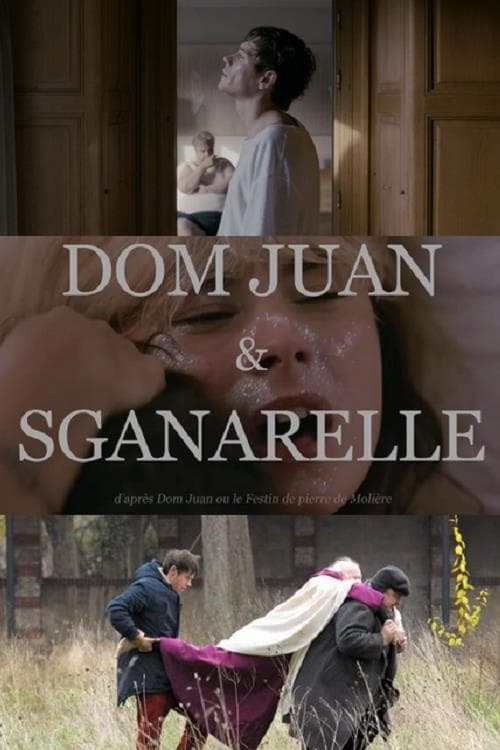
Dom Juan & Sganarelle
2015
No user ratings available yet
Representation score: 4.9 out of 10
Representation Score
Fair
1979
Director
Desmond Davis
Runtime
145 minutes
Average Rating
No ratings yetNew Showbiz Analysis
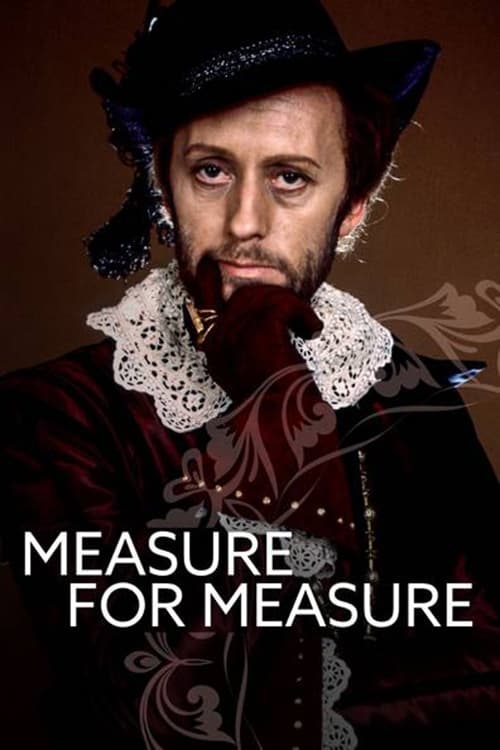
This adaptation of Shakespeare's text functions as a narrative deconstruction of authority. Despite its traditional demographic makeup, the film stands out by challenging systemic corruption and institutional rigidity. The production centers women's ability to drive the story through Isabella's intellectual confrontation of power, while also subverting traditional gender hierarchies. However, the film remains limited by the era's production standards, lacking in racial and LGBTQ+ breadth. Ultimately, the work prioritizes a critique of moral hypocrisy over modern inclusive casting.
Category Breakdown
The film focuses on power dynamics centered around heterosexual relationships and lacks explicit depictions of same-sex intimacy or non-cisgender identities.
Isabella is the main character who uses her intelligence to challenge a patriarchal system. The film highlights the moral bankruptcy of male leadership.
The cast is primarily white, reflecting the production standards of the 1970s. There is no attempt to include actors of diverse racial backgrounds.
The film critiques the intersection between state laws and religious morality, highlighting the hypocrisy in traditional social orders.
There are no significant depictions of physical, sensory, or neurodivergent disabilities.
Present on Screen
Limited or Absent
Official Synopsis
When the Duke of Vienna takes a mysterious leave of absence and leaves the strict Angelo in charge, things couldn't be worse for Claudio, who is sentenced to death for premarital sex. His sister, Isabella (a nun-in-training), however, is a very persuasive pleader. She goes to Angelo, but instead of freeing her brother, she gets an offer from Angelo to save Claudio's life if Isabella sleeps with him. The only sympathetic friend Isabella has is a priest who, in actuality, is the Duke in disguise...and he has a plan.
2015
1989
1973
1964

1990
1993
1983
1995
No reviews yet. Be the first to share your thoughts on this movie!
Use the rating form above to leave a star rating and optional review.