
The Silence of the Church
2013
No user ratings available yet
Representation score: 6.1 out of 10

Representation Score
Fair
1990
PG-13Director
Tom Topor
Runtime
90 minutes
Average Rating
No ratings yetNew Showbiz Analysis
Judgment is a social realist drama that emphasizes institutional critique over broad demographic representation. Its strength lies in its willingness to question the sanctity of the Church, presenting it as a source of systemic conflict rather than a stable institution. However, the film lacks significant representation of various identity markers. The narrative focus remains narrow, centered on a specific legal and moral crisis without exploring broader aspects of identity overlap. Ultimately, the film serves as a targeted examination of moral relativism and the erosion of institutional trust, rather than a diverse ensemble piece.
Category Breakdown
The film does not include any characters who identify as LGBTQ+. The story focuses on the consequences of clerical misconduct and the impact on families and communities.
The narrative centers on a family dealing with a moral dilemma involving a son. While the parents' viewpoints are explored, the story does not delve into specific gender roles or ability to act.
Set in Louisiana, the film's racial makeup is not explicitly described. It probably follows the demographic norms seen in 1990s TV shows.
The story strongly critiques religious authority and institutional infallibility. It examines the tension between personal beliefs and established Church doctrines.
There is no mention of characters facing physical, neurodivergent, or mental health disabilities in the available narrative summary.
Present on Screen
Limited or Absent
Official Synopsis
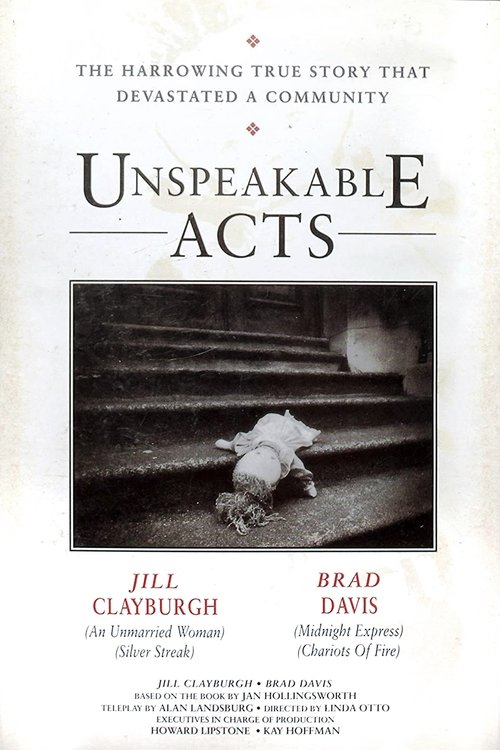
Fact-based story of a Louisiana priest accused of molesting young parishioners, and of the family of one of his victims, caught between their loyalty to their son and to their Church.
2013

2006
1990

1989

1984

1989

1987
1995
No reviews yet. Be the first to share your thoughts on this movie!
Use the rating form above to leave a star rating and optional review.