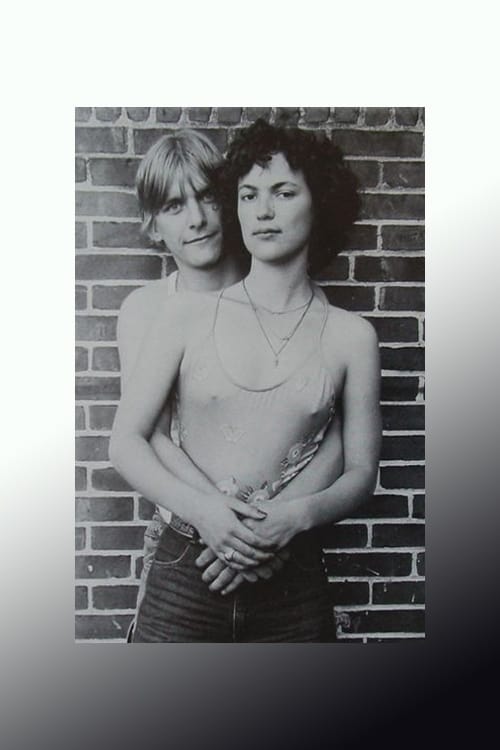
The Dark End of the Street
1981
No user ratings available yet
Diversity score: 4.3 out of 10
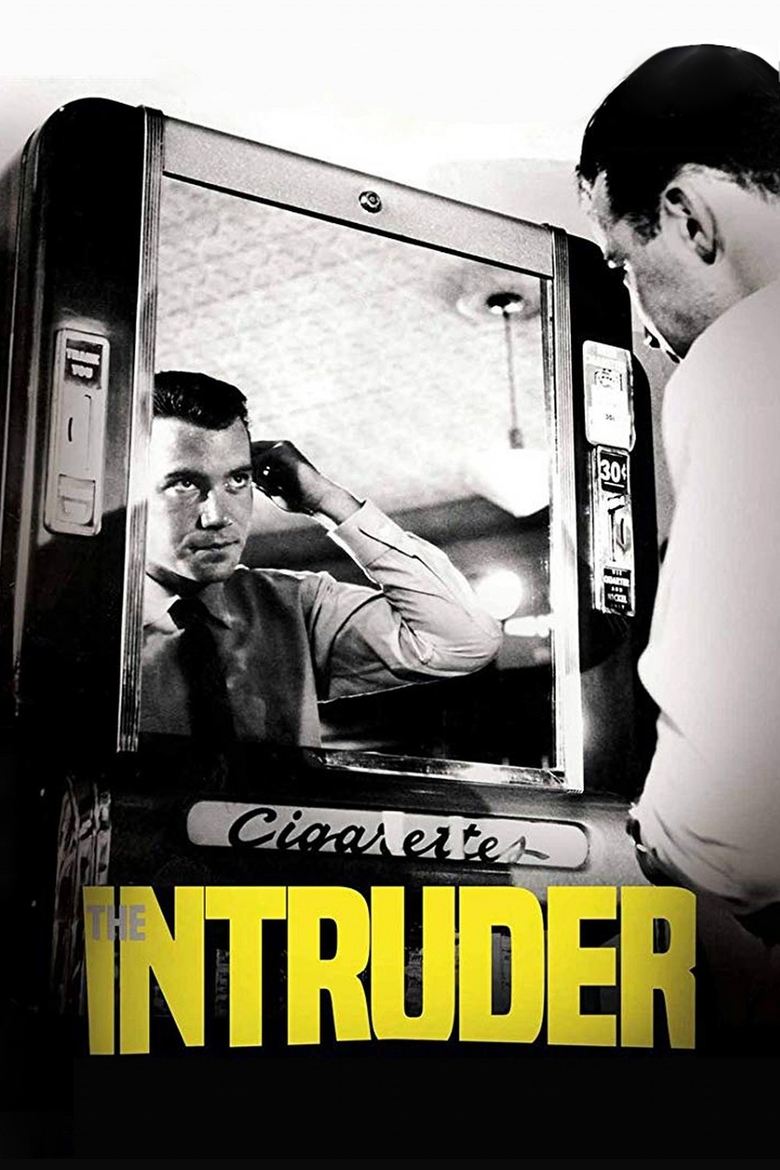
1962
PG-13Director
Roger Corman
Runtime
84 minutes
Average Rating
No ratings yetSynopsis
A man in a gleaming white suit comes to a small Southern town on the eve of integration. He calls himself a social reformer. But what he does is stir up trouble--trouble he soon finds he can't control.
Overall Score
Fair
Category Breakdown
LGBTQ+ Representation
The film contains no discernible LGBTQ+ characters or narratives. Social dynamics remain strictly within the heteronormative and cisnormative structures of the early 1960s.
Gender Representation
The story focuses on male-driven conflict and delinquency. Female characters occupy peripheral roles, lacking significant agency or influence over the central plot progression.
Racial & Ethnic Diversity
The narrative centers on the tension of integration in a segregated environment. This focus provides a nuanced engagement with racial dynamics that moves beyond mere tokenism.
Religious & Cultural Diversity
The film explores the breakdown of traditional social order and community norms. It depicts a landscape of social instability as established structures face external disruption.
Disability Representation
There is no visible or invisible disability representation within the character arcs or plot development.
Strengths
Areas for Improvement
AI Analysis
The film functions as a period-specific social drama that engages with the volatile landscape of the American South during the Civil Rights Movement. It uses an outsider to disrupt the social equilibrium of a rural community, exposing the friction between traditionalism and emerging social shifts. While the film addresses racial integration as a primary thematic engine, it remains limited by the era's conventional gender hierarchies. The narrative is heavily centered on male-driven conflict, leaving female characters with little impact on the story. Ultimately, the work avoids being a purely traditionalist piece by centering its plot on the disruption of racial status quos. It serves as a study of systemic tension and the fragility of the existing social order.
1981
1969
1967

1960

1963
1989

1967
1966

1971
1961
2009

1962
No reviews yet. Be the first to share your thoughts on this movie!
Use the rating form above to leave a star rating and optional review.