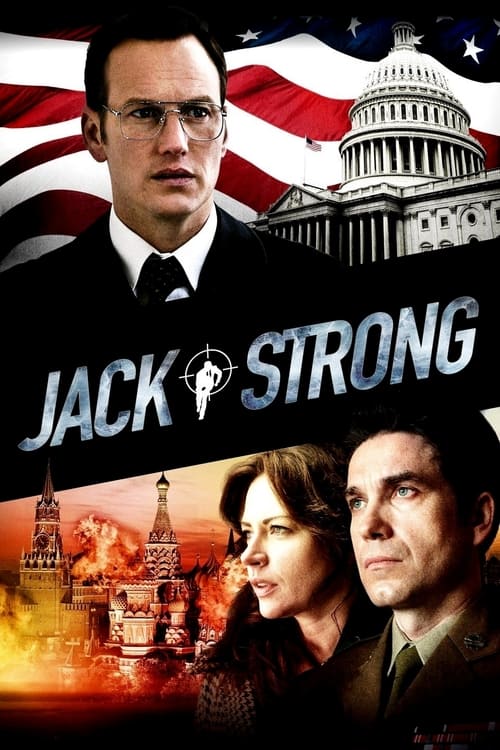
Jack Strong
2014
No user ratings available yet
Representation score: 3.9 out of 10

Representation Score
Fair
2021
RDirector
Jan P. Matuszyński
Runtime
160 minutes
Average Rating
No ratings yetNew Showbiz Analysis
Leave No Traces is a detailed historical portrayal of 1980s Poland. It focuses on critiquing state power and institutional corruption rather than showcasing diverse identities. The film's narrative centers on masculine-coded spheres of military and political authority. While the film accurately depicts the period's homogeneous demographic and patriarchal society, it lacks characters who reflect more than one aspect of diversity. The story is driven by the psychological impact of systemic pressure rather than diverse character perspectives. Ultimately, the film excels as a critique of centralized power but limits its scope regarding gender, race, and LGBTQ+ identities due to its adherence to historical realities.
Category Breakdown
The film is set in the rigid structures of 1980s communist Poland and does not include any LGBTQ+ characters or representations of non-traditional gender identities.
The story focuses on male-dominated hierarchies within the military and state apparatus. Women are shown in peripheral or domestic roles, reflecting the era's patriarchal society.
The cast is primarily made up of actors who match the ethnic makeup of 1980s Poland. The film does not use actors from different backgrounds or races.
The film sharply criticizes the systemic decay within the communist regime. It portrays state institutions as corrupt, dysfunctional, and oppressive.
Mental health struggles are depicted as symptoms of political pressure and state violence. There are no characters with disabilities used as plot devices.
Present on Screen
Limited or Absent
Official Synopsis
In 1983, communist Poland is shaken by the case of high school student Grzegorz Przemyk, who is beaten to death by police. The only witness of the beating becomes the number one enemy of the state.
2014

2021
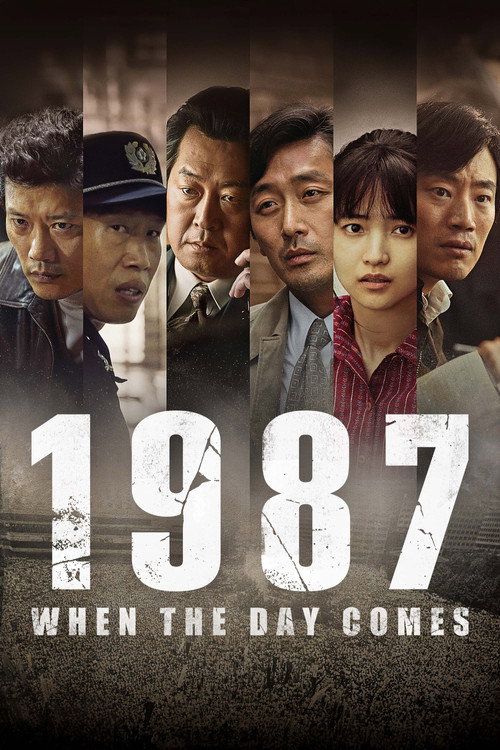
2017
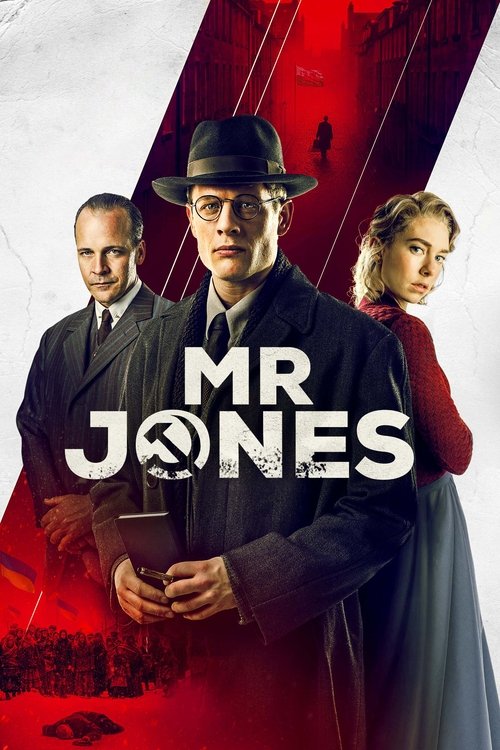
2019

2011

2013
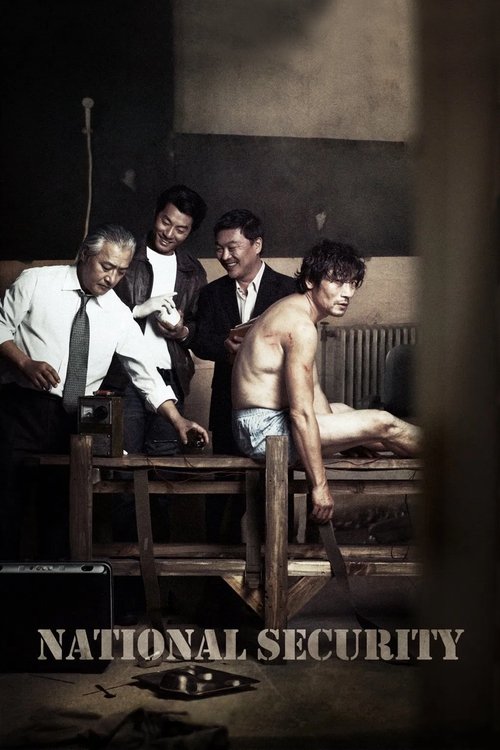
2012
1988
No reviews yet. Be the first to share your thoughts on this movie!
Use the rating form above to leave a star rating and optional review.