
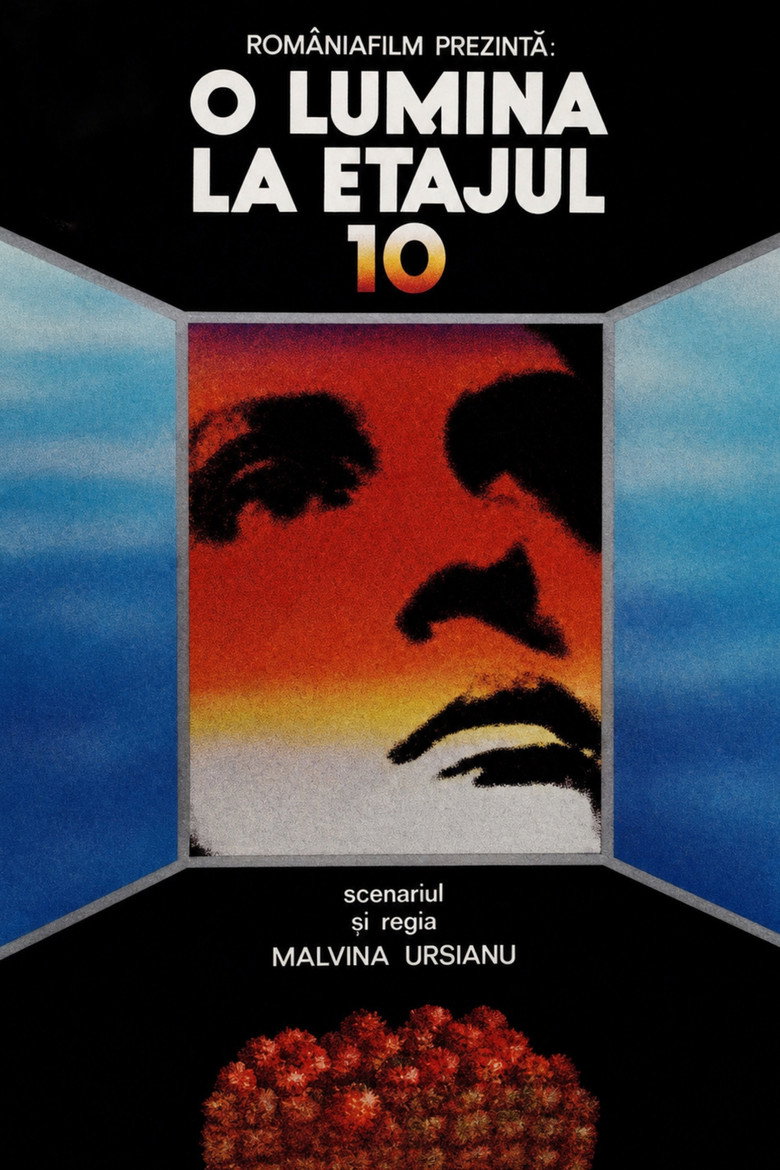
The Fiancee
1980
No user ratings available yet
Diversity score: 5.6 out of 10
1984
Director
Malvina Urșianu
Runtime
92 minutes
Average Rating
No ratings yetSynopsis
A woman tries to regain her dignity, both in her personal life and her career, after spending five years in prison, because of a false accusation that she was a saboteur.
Overall Score
Fair
Category Breakdown
LGBTQ+ Representation
The film lacks explicit evidence of LGBTQ+ characters or narratives. It does not appear to center on non-cisnormative identities or critique heteronormativity.
Gender Representation
The story centers on a female protagonist fighting to reclaim her agency and professional standing. It disrupts tropes of female passivity by making her struggle the primary dramatic driver.
Racial & Ethnic Diversity
Reflecting the demographic homogeneity of 1980s Romania, the film likely utilizes a traditional, localized casting approach. There is no evidence of a multi-ethnic cast.
Religious & Cultural Diversity
The narrative critiques institutional corruption and the fallibility of state systems through a protagonist fighting false accusations. It explores subjective morality against rigid societal structures.
Disability Representation
There is no evidence of characters with visible or invisible disabilities within the film's documentation.
Strengths
Areas for Improvement
AI Analysis
Malvina Urșianu’s drama succeeds in centering a female perspective, moving away from passive characterizations to focus on a woman's fight for dignity and professional reclamation. The film offers a meaningful critique of institutional injustice and systemic error. However, the film lacks intersectional breadth. It operates within the demographic homogeneity of its era, offering little in the way of racial, ethnic, or LGBTQ+ representation. Ultimately, while the film provides a strong study of individual agency against oppressive structures, it remains a localized narrative without broader identity-based diversity.
1980
1978
2008

1985

1943

2024
1978
1988
1980
2012
1971
1986
No reviews yet. Be the first to share your thoughts on this movie!
Use the rating form above to leave a star rating and optional review.