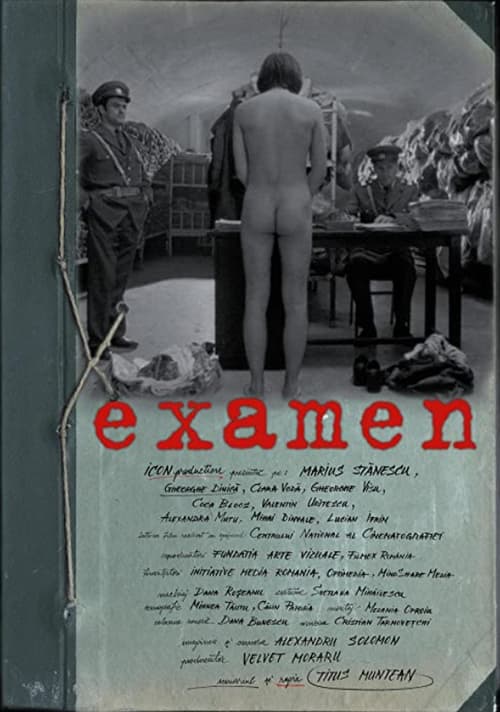
Exam
2003
No user ratings available yet
Representation score: 3.5 out of 10

Representation Score
Limited
1993
Director
Șerban Marinescu
Runtime
110 minutes
Average Rating
No ratings yetNew Showbiz Analysis
The film serves as a sophisticated critique of institutional power and the suppression of intellectual freedom. It emphasizes the philosophical struggle of an individual against a repressive regime over demographic diversity. While the narrative lacks explicit representation of sexual orientation, gender, or ethnicity, it finds progressive value in its deconstruction of state authority. The focus is on the tension between personal truth and dogmatic structures.
Category Breakdown
The film does not include any LGBTQ+ characters or narratives. The story focuses on the political and intellectual journey of the main character.
The story centers around a male protagonist who challenges traditional notions of masculinity. It explores themes of vulnerability and moral resilience in the face of a patriarchal state apparatus.
The setting reflects a homogeneous Eastern European society. Diversity is shown through class differences rather than ethnic or racial variety.
The film critiques authoritarian institutions and state-imposed morality. It highlights systemic injustice through the wrongful accusation of the protagonist.
The film does not feature any characters with visible or invisible disabilities.
Present on Screen
Limited or Absent
Official Synopsis
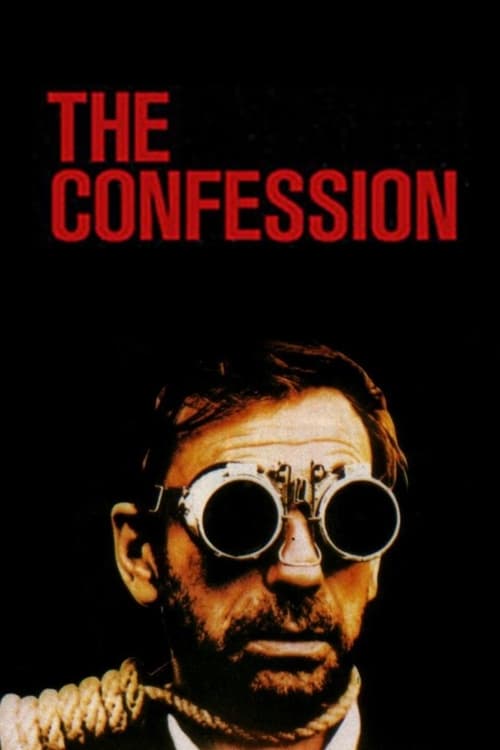
The life-story confession of a prisoner waiting for his trial. Victor Petrini, a promising intellectual in the 1950s and a lecturer in Philosophy is arrested by the repressive secret police, wrongly accused of espionage, and sentenced to prison and forced labor.
2003

1985
1993
1970
1982
1995
2010

1978
No reviews yet. Be the first to share your thoughts on this movie!
Use the rating form above to leave a star rating and optional review.