
Lion's Den
2008
No user ratings available yet
Representation score: 8.1 out of 10
Representation Score
Good
1985
Director
Wiesław Saniewski
Runtime
118 minutes
Average Rating
No ratings yetNew Showbiz Analysis
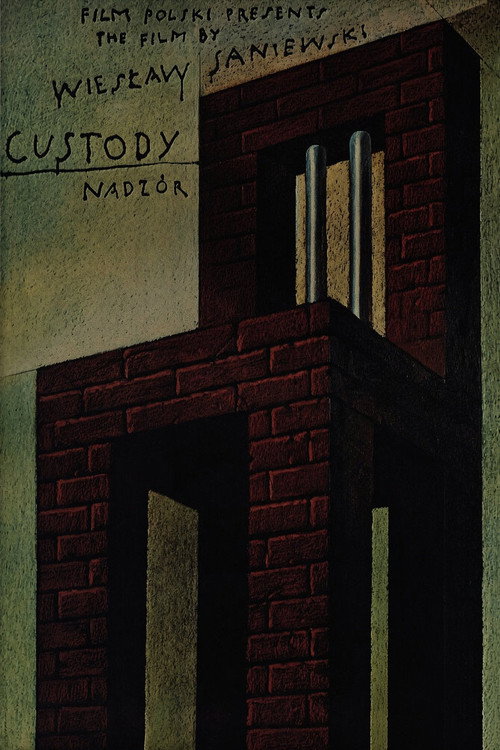
Custody is a heavy drama that prioritizes institutional critique over modern diversity. It excels in challenging the perceived benevolence of state-run social structures. The film succeeds in centering a woman's struggle against a rigid, male-dominated legal system. This subverts traditional domestic roles, presenting a protagonist defined by her fight for justice. However, the film is limited by its era and geographic context. It lacks LGBTQ+ representation and racial diversity, focusing instead on a homogeneous Polish setting and a traditional maternal narrative.
Category Breakdown
The film does not include any LGBTQ+ characters or non-straight relationships. The story focuses on a mother and her child in a traditional family setting.
Klara challenges the typical domestic role by actively resisting a male-dominated legal system. She is known for her resilience and strength rather than submission.
Reflecting its 1985 Polish context, the film shows a homogeneous population with no evidence of diverse racial casting or multi-layered representation.
The film sharply criticizes institutional power, portraying state institutions as corrupt entities that cause trauma by separating families and neglecting children.
A child's spinal injury serves as a catalyst for the plot. While central to the story, the disability highlights systemic neglect rather than exploring the child's experiences.
Present on Screen
Limited or Absent
Official Synopsis
A story of a young woman arrested by police on the day of her wedding for embezzlement, and promptly sentenced to life. She is already pregnant and has her baby in prison. Immediately after birth they are separated and only later Klara finds out that the child had a spine injury in an orphanage. After the years her sentence is shortened and she is released from prison on parole after 12 years.
2008

1989

2012
1985
2002
1995
1982

1985
No reviews yet. Be the first to share your thoughts on this movie!
Use the rating form above to leave a star rating and optional review.