
Ana and the Thief
1981
No user ratings available yet
Representation score: 2.2 out of 10
Representation Score
Limited
1982
Director
Dinu Tănase
Runtime
90 minutes
Average Rating
No ratings yetNew Showbiz Analysis
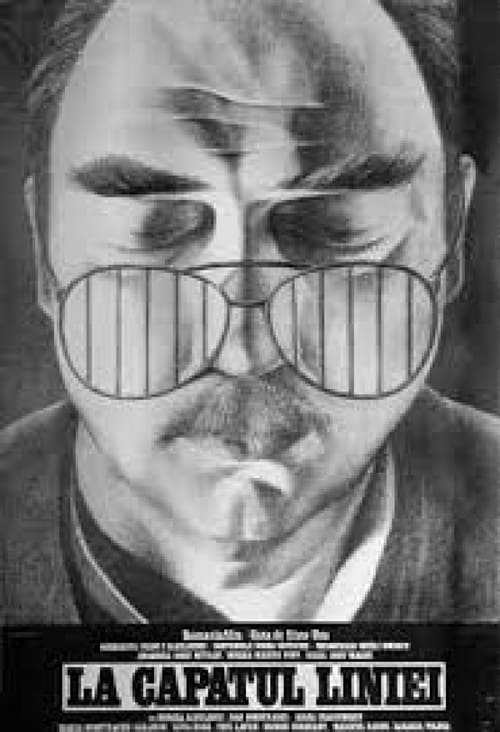
At the End of the Line is a traditional social drama that highlights the tension between the individual and the state. It offers a nuanced look at systemic hostility through its protagonists' struggles in a cold environment. However, the film lacks depth in representing diverse identities. Its narrative is confined by the social norms of the era, leading to a homogeneous cast and a focus on traditional gender roles. The film serves primarily as a localized social critique rather than a diverse character study. Ultimately, while it challenges the notion of a benevolent social order, it does not incorporate diverse identities or non-traditional portrayals.
Category Breakdown
The film does not include any LGBTQ+ characters or narratives. It focuses on traditional themes of reintegration in the context of 1982 Romania.
The story centers around the male-driven struggles of Crișan and Cicea. Although there are female cast members, the narrative remains heavily focused on male characters.
The production reflects a homogeneous ethnic demographic typical of the Romanian film industry during this time period. There is no indication of racially diverse casting.
The film provides a strong critique of systemic hostility. It portrays society as a rigid system that hinders individuals trying to reintegrate after imprisonment.
There are no characters with visible or invisible disabilities mentioned in the film. These elements do not play a role in the main character arcs.
Present on Screen
Limited or Absent
Official Synopsis
Crișan and Cicea, two recently released prisoniers, are trying to reintegrate into a society which proves to be a hostile environment.
1981

1973

1964

1982

1980

1966

1983

1989
No reviews yet. Be the first to share your thoughts on this movie!
Use the rating form above to leave a star rating and optional review.