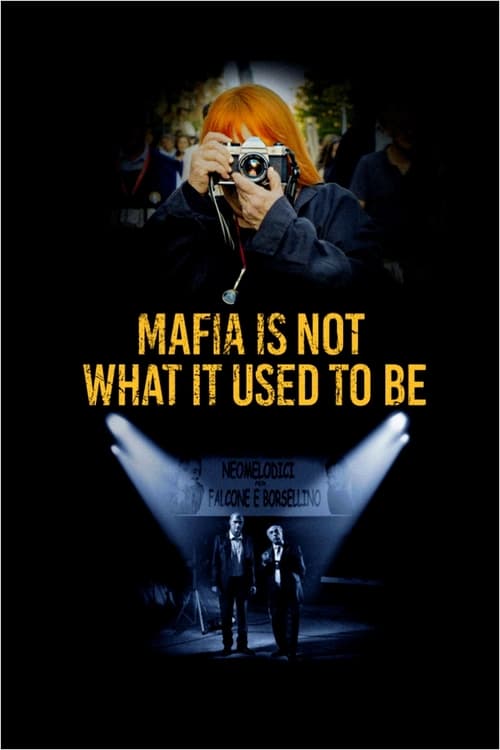
Mafia Is Not What It Used to Be
2019
No user ratings available yet
Representation score: 3.3 out of 10

Representation Score
Good
2016
Director
Franco Maresco
Runtime
32 minutes
Average Rating
No ratings yetNew Showbiz Analysis
The documentary succeeds by elevating a female subject to a position of profound social ability to act. By focusing on Letizia Battaglia's work against the Mafia, the film challenges conventional roles and centers on intellectual courage. While the film lacks specific focus on LGBTQ+ or multi-ethnic representation, it excels in its systemic critique. It prioritizes the individual's role in challenging oppressive institutions over traditional storytelling. The work is a localized exploration of Sicilian identity, using art as a tool for social activism and moral indignation.
Category Breakdown
The film does not explicitly engage with LGBTQ+ narratives or non-cisgender identities. However, Maresco's transgressive style hints at a departure from traditional heterosexual norms.
The documentary disrupts traditional gender hierarchies by centering on Letizia Battaglia, portraying her as a powerful, confrontational force rather than a passive or domestic figure.
The narrative is deeply rooted in the specific cultural context of Palermo, focusing on Sicilian identity rather than multi-ethnic casting or racial blending.
The film aligns with progressive frameworks by critiquing traditional power structures. It frames the anti-Mafia movement as a vital struggle against systemic corruption and oppression.
There is no evidence regarding the portrayal of physical or neurodivergent disabilities within the film.
Present on Screen
Limited or Absent
Official Synopsis
A short homage and portrait that Franco Maresco dedicates to his friend Letizia Battaglia, a world-famous photographer and symbol of the committed, indignant and anti-Mafia side of Palermo.
2019

2013

2019

2012

1999

2018

2025

2014
No reviews yet. Be the first to share your thoughts on this movie!
Use the rating form above to leave a star rating and optional review.