
Chloe, Love Is Calling You
1934
No user ratings available yet
Representation score: 3.0 out of 10
Representation Score
Fair
1935
ApprovedDirector
George Terwilliger
Runtime
56 minutes
Average Rating
No ratings yetNew Showbiz Analysis
Ouanga stands out in 1930s cinema for its reversal of standard racial and gender hierarchies. By placing a Black woman in a position of systemic authority and land ownership, the film diverges from the era's typical white-centric dominance. The narrative employs Haitian Voodoo as a central mechanism for ability to act, allowing a underrepresented character to seek justice outside of colonial structures. This provides a unique focus on non-Western spiritual practices. While the film lacks LGBTQ+ representation and details on disability, its emphasis on a female lead with decisive, vengeful power marks a significant departure from the passive roles common in contemporary studio-era productions.
Category Breakdown
The film does not include explicit LGBTQ+ identities or narratives that challenge the assumption that everyone is straight or cisgender. The main conflict revolves around a traditional heterosexual romantic storyline.
The protagonist challenges typical female passivity by taking a powerful role as a plantation owner. She exerts significant influence through her actions and the orchestration of supernatural forces.
The film challenges the racial norms of the 1930s by centering a Black female protagonist with land ownership and authority. It highlights the ability to act of a underrepresented character.
The story centers on Haitian Voodoo rather than Western Christian morality. It uses a non-Western spiritual framework to drive a narrative of retribution and reclaimed power.
There is no information available regarding the depiction of physical or neurodivergent disabilities in this film.
Present on Screen
Limited or Absent
Official Synopsis
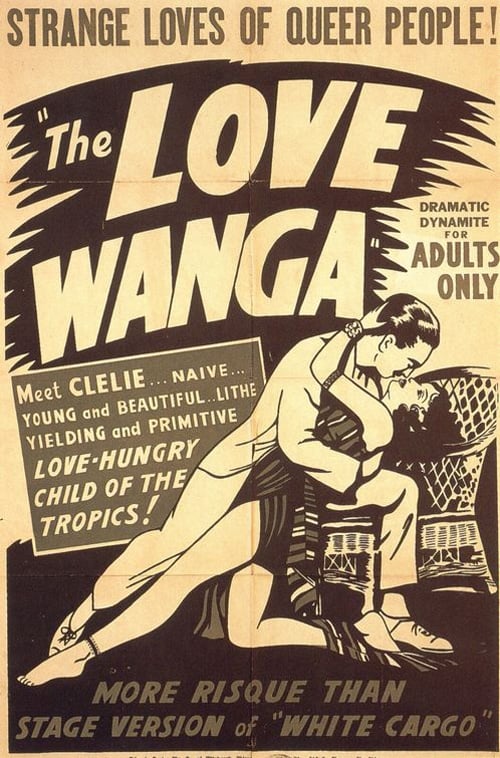
In Haiti, a black female plantation owner enacts a voodoo curse, and revives zombies for revenge on a white male neighbor, who has chosen a white woman over her for marriage.
1934
1960
1957
1928
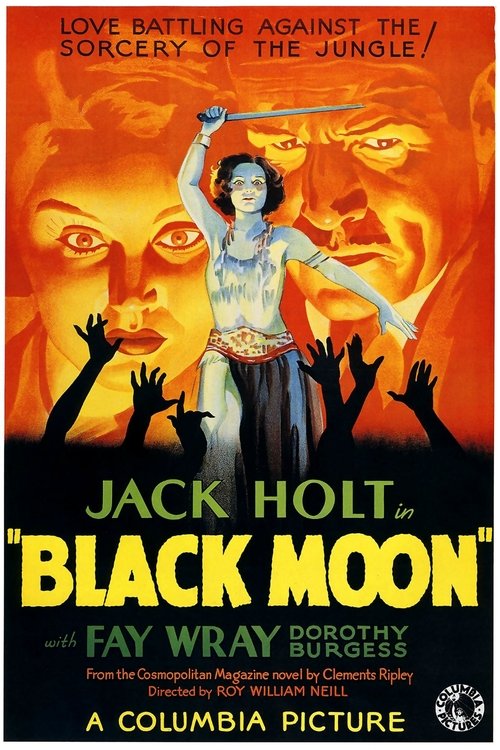
1934
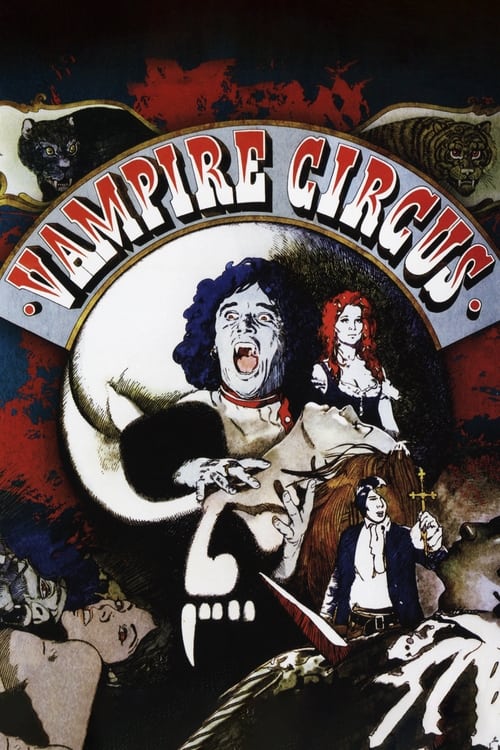
1972
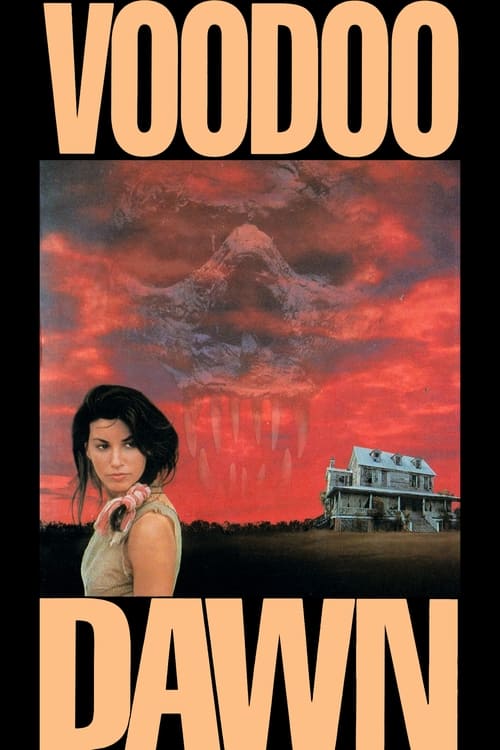
1990
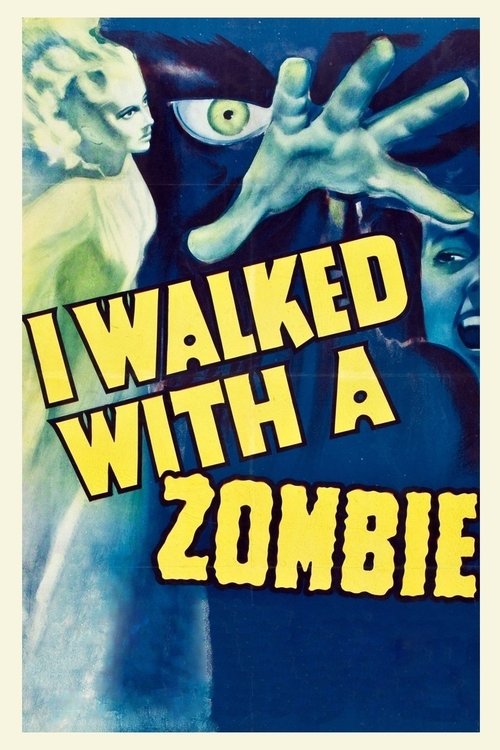
1943
No reviews yet. Be the first to share your thoughts on this movie!
Use the rating form above to leave a star rating and optional review.