The Devil's Daughter
1939
No user ratings available yet
Representation score: 2.1 out of 10
Representation Score
Limited
1934
NRDirector
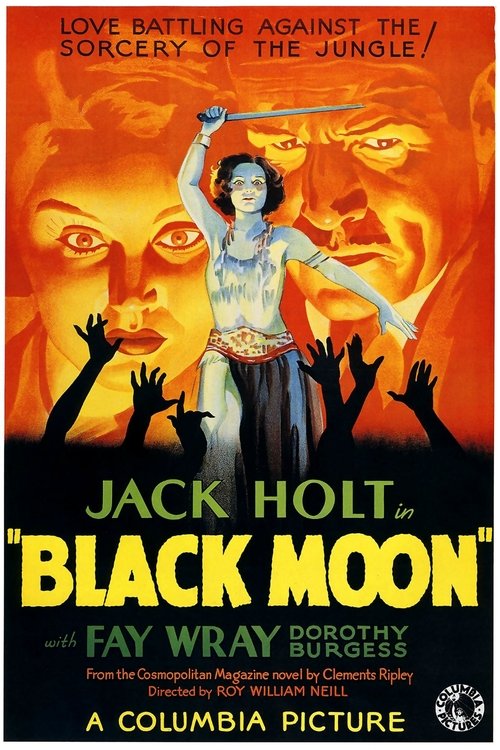
Roy William Neill
Runtime
68 minutes
Average Rating
No ratings yetNew Showbiz Analysis
Black Moon stands as a complex pre-Code film that explores power dynamics. It offers a rare moment where a female protagonist rises to communal authority, even if that authority is framed through a lens of moral corruption. The film includes notable Black performers, providing a level of casting diversity uncommon for 1934. Yet, the narrative remains tied to the era's tendency to use exoticism and spiritual rituals as atmospheric tools for horror. Ultimately, the film's strength lies in its subversion of Western moral stability, though it struggles to provide nuanced ability to act to its non-Western characters.
Category Breakdown
The story centers on ancestral trauma and ritualistic corruption. There are no LGBTQ+ identities or same-sex relationships. Character dynamics revolve around traditional family roles like mother, daughter, and uncle.
Juanita challenges 1930s stereotypes by evolving from a victim to a powerful voodoo goddess. While she commands a collective, her descent into ritualistic corruption serves as a cautionary tale about female empowerment.
The cast features prominent Black actors like Clarence Muse and Madame Sul-Te-Wan. However, the narrative leans on voodoo clichés, often linking ethnic characters to supernatural elements rather than deep personal ability to act.
The film dismantles Western Christian morality by focusing on a ritual-driven society. It presents a primal, situational ethics that operates outside standard institutional norms, serving the horror genre.
There is no documented evidence regarding the portrayal of physical or neurodivergent disabilities in this film.
Present on Screen
Limited or Absent
Official Synopsis
Juanita returns to her childhood home on the fictional Caribbean island of San Christopher, accompanied by her husband Stephen, their daughter Nancy, and Stephen's secretary Gail. Traumatized and influenced by voodoo exposure from her past, Juanita becomes drawn into local rituals and is elevated by the islanders to the status of a voodoo goddess.
1939
1943
1917
1936
1975
1945

1934
1955
No reviews yet. Be the first to share your thoughts on this movie!
Use the rating form above to leave a star rating and optional review.