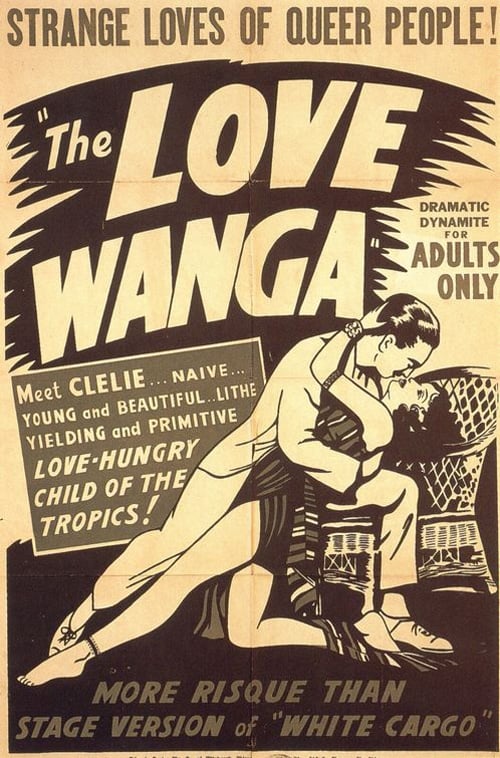
Ouanga
1935
No user ratings available yet
Representation score: 5.7 out of 10

Representation Score
Limited
1934
ApprovedDirector
Marshall Neilan
Runtime
62 minutes
Average Rating
No ratings yetNew Showbiz Analysis
Chloe, Love Is Calling You presents a striking, if period-constrained, narrative by centering a Black woman's struggle against racial injustice. By framing the plot around retribution for a lynching, the film provides a level of racial depth and historical weight rarely seen in 1934 cinema. However, the film's progressive potential is tempered by its reliance on traditional dramatic formulas. The protagonist's ability to drive the story is heavily anchored in maternal and marital loss, keeping her character arc within the bounds of conventional tragic feminine archetypes. Ultimately, the film occupies a middle ground. It disrupts the era's standard cinematic norms by addressing systemic racial violence, yet it lacks the multi-layered complexity needed to move beyond the dramatic conventions of its time.
Category Breakdown
The film does not depict any LGBTQ+ identities or same-sex relationships. It focuses solely on traditional family structures and heterosexual bonds.
Mandy is a complex female protagonist who plays a significant role in driving the story as a voodoo practitioner. However, her motivations are tied to traditional roles of a grieving widow and mother.
The story centers on Black characters and addresses the historical trauma of lynching. While it uses voodoo clichés, it provides meaningful ability to act through a quest for retribution.
Voodoo serves as a central plot driver, creating tension between Western plantation structures and underrepresented bayou practices. The film explores morality through this non-Western spiritual lens.
There is no explicit mention of physical or neurodivergent disabilities. The text suggests Mandy may have experienced mental instability, though her specific mental state remains unclear.
Present on Screen
Limited or Absent
Official Synopsis
A black voodoo priestess comes out of the Louisiana swamps to take revenge on the white plantation owner she believes killed her husband. The old conjure woman Mandy returns with her daughter Chloe to their bayou home after fifteen years. Chloe was too young to remember much about the bayou, but once Mandy had been a famous voodoo priestess in these parts. But after the whites lynched her husband Sam, she took her little girl & moved away into the Everglades. She seems to have gone a little mad in the intervening years & has returned swearing a belated vengeance against the murdering white folks.
1935
1972
1934
1960
1957
1943
2006
2004
No reviews yet. Be the first to share your thoughts on this movie!
Use the rating form above to leave a star rating and optional review.