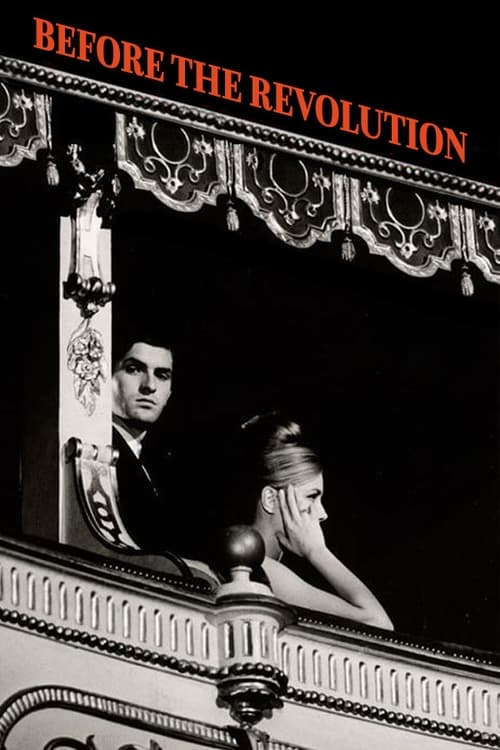
Before the Revolution
1964
No user ratings available yet
Representation score: 6.7 out of 10

Representation Score
Fair
1969
Director
Sergio Capogna
Runtime
88 minutes
Average Rating
No ratings yetNew Showbiz Analysis
Plagio captures the social upheaval of late 1960s Italy by highlighting the tension between youth movements and traditional authority. The narrative challenges standard domestic hierarchies through its central romantic triad, offering a critique of bourgeois values. However, the film is limited by the era's regional focus, resulting in a lack of racial and ethnic diversity. While it challenges traditional romantic norms, it does not specifically address LGBTQ+ identities or disability representation.
Category Breakdown
The film features a conscious threesome that challenges traditional heterosexual relationships. However, the focus is on a polyamorous romantic relationship rather than a specific LGBTQ+ narrative.
Angela actively participates in a shifting romantic dynamic, indicating female empowerment. However, the central role of a wealthy male heir suggests traditional power dynamics still hold sway.
Set during the 1968 student movements in Italy, the story lacks a multi-ethnic cast, reflecting the homogeneous nature of regional cinema from that time.
By focusing on the 1968 student movement, the film critiques established institutions. It dismantles traditional morality through unconventional domestic arrangements.
The film does not include any characters with visible or invisible disabilities.
Present on Screen
Limited or Absent
Official Synopsis
During the student movement in Bologna, Italy. 1968. Angela and Massimo are friends, lovers and college students. They get to know Guido, the heir of a wealthy family who has never known love pure. Impressed by the feeling that binds the two lovers, Guido invites them to move into his house. Soon, in a series of betrayals, confessions, departures and returns, it will create a conscious threesome bound to result in tragedy.
1964
1967
1977
1973

1964
1969

1969
1977
No reviews yet. Be the first to share your thoughts on this movie!
Use the rating form above to leave a star rating and optional review.