A Raisin in the Sun
1989
No user ratings available yet
Representation score: 4.5 out of 10
Representation Score
Fair
1995
PGDirector
Lloyd Richards
Runtime
95 minutes
Average Rating
No ratings yetNew Showbiz Analysis
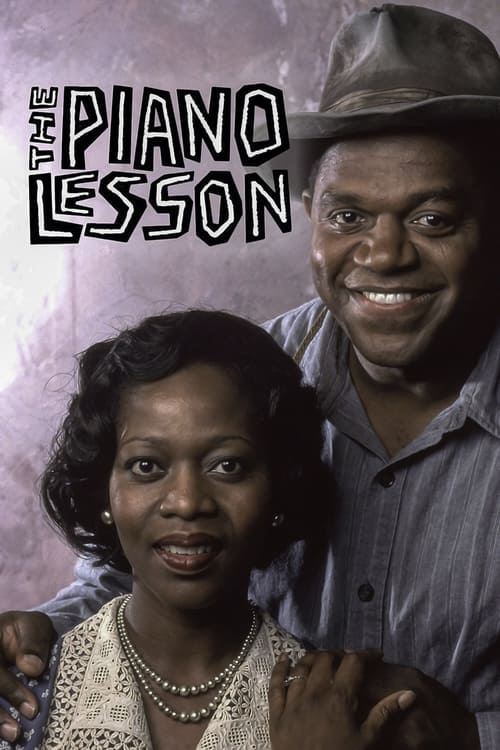
The Piano Lesson excels in its authentic portrayal of the African American experience in 1930s Pittsburgh. With an entirely Black cast and a focus on reclaiming identity through a family heirloom, the film avoids including someone from a minority group without giving them real depth and provides a sophisticated look at generational history. While the film offers a profound critique of how capitalism threatens cultural artifacts, it lacks representation for LGBTQ+ identities and disabilities. The narrative scope remains tightly focused on lineage and racial identity. Ultimately, the film's strength lies in its ability to challenge the commodification of history, making it a powerful study of heritage versus material progress.
Category Breakdown
The film focuses solely on the Charles family's immediate and ancestral ties. There are no identifiable LGBTQ+ characters or non-straight relationships.
Berniece serves as the story's intellectual and spiritual leader, challenging traditional gender roles. She is a complex matriarchal figure who emphasizes cultural integrity over physical dominance.
The film features an entirely Black cast, providing a platform for Black experiences as the main focus. It avoids including someone from a minority group without giving them real depth by centering the Black experience as the universal norm.
The story prioritizes spiritualism and ancestral connections over Western materialism. It highlights the tension between memory and economic necessity.
There are no prominent depictions of physical or neurodivergent disabilities that drive the narrative or serve as central character traits.
Present on Screen
Limited or Absent
Official Synopsis
1930's Pittsburgh, a brother comes home to claim "my half of the piano", a family heirloom; but his sister is not wanting to part with it. This is a glimpse of the conditions for African-Americans as well as some of the attitudes and influences on their lives. But whether he is able to sell the piano so that he can get enough money to buy some property and "no longer have to work for someone else" involves the story (or lesson) that the piano has to show him.
1989
1965
2008
1961
1974

1981
2010
1990
No reviews yet. Be the first to share your thoughts on this movie!
Use the rating form above to leave a star rating and optional review.