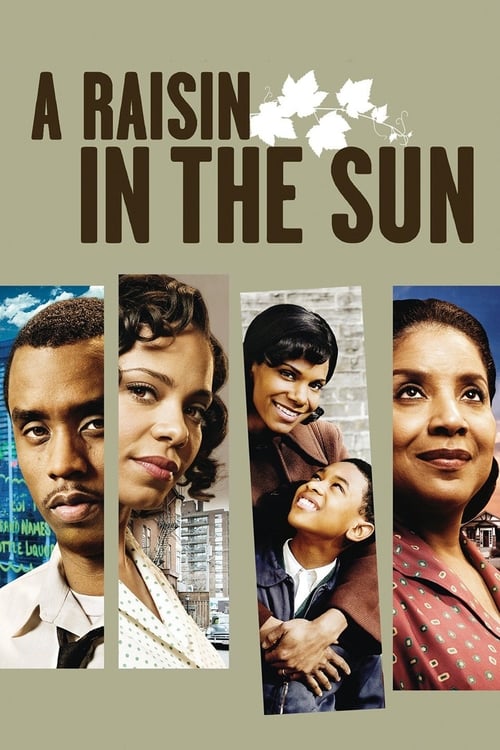
A Raisin in the Sun
2008
No user ratings available yet
Representation score: 4.7 out of 10
Representation Score
Fair
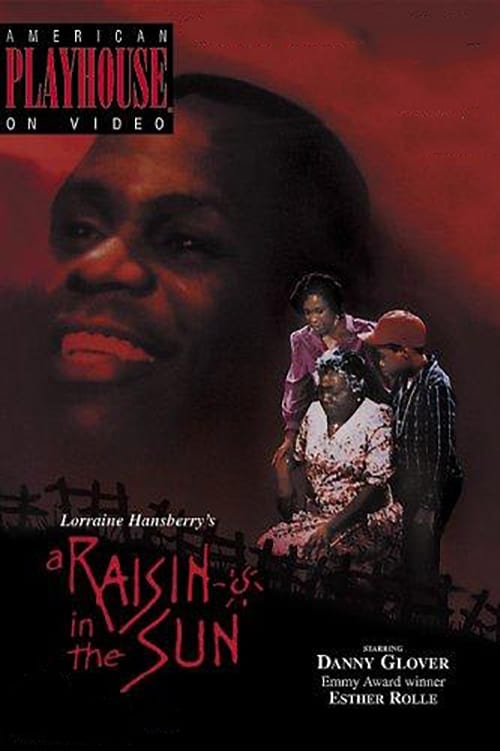
1989
Director
Bill Duke
Runtime
171 minutes
Average Rating
No ratings yetNew Showbiz Analysis
Bill Duke’s direction centers the African American experience, going beyond simple inclusion to a deep exploration of racial identity and systemic exclusion. The film excels in portraying racial ability to act and critiquing institutional corruption. However, the production lacks engagement with LGBTQ+ themes or disability representation. The narrative scope remains tightly focused on the traditional family structure and racial politics. Ultimately, the film challenges traditional patriarchal stability through its strong female lead, making it a vital study of intersecting struggles despite its narrow thematic range.
Category Breakdown
The film does not include any LGBTQ+ characters or explore non-straight relationships. It focuses solely on the dynamics within a traditional family unit.
The story challenges traditional patriarchal structures by highlighting Lena Younger as the moral leader of the household. Walter Lee grapples with conventional masculine roles, while the film emphasizes female resilience and emotional intelligence.
An all-Black cast deals with systemic housing discrimination and redlining in 1950s Chicago. The film allows characters to define their dignity against institutional barriers, granting them full ability to act.
The film questions the American Dream as a conditional construct denied to underrepresented groups. Spirituality is used as a tool for communal resilience rather than social conformity.
There are no significant depictions of visible or invisible disabilities within the main character arcs.
Present on Screen
Limited or Absent
Official Synopsis
Walter Lee Younger is a young man struggling with his station in life. Sharing a tiny apartment with his wife, son, sister and mother, he seems like an imprisoned man. Until, that is, the family gets an unexpected financial windfall.
2008
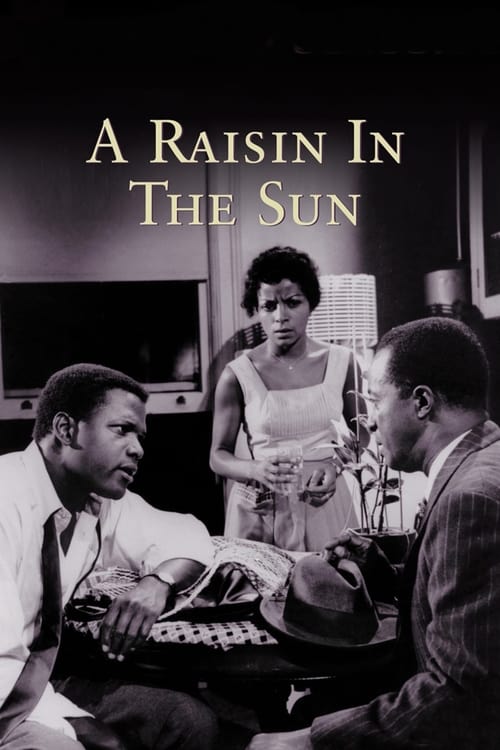
1961
1995

1985
1998
1991

1989
1993
No reviews yet. Be the first to share your thoughts on this movie!
Use the rating form above to leave a star rating and optional review.