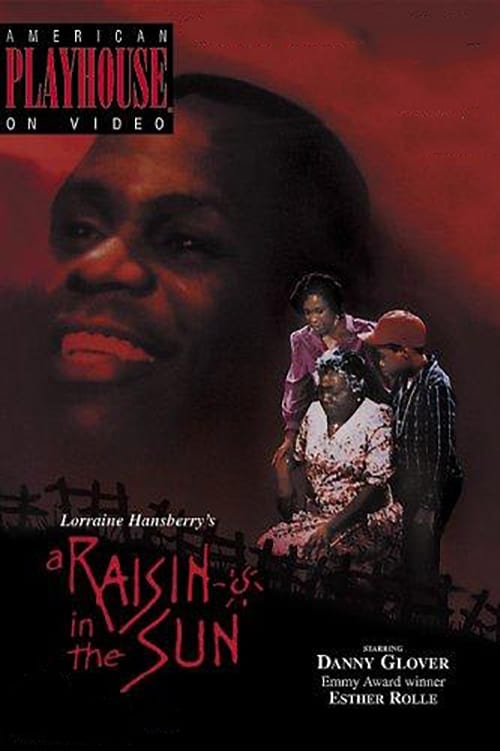
A Raisin in the Sun
1989
No user ratings available yet
Representation score: 4.5 out of 10

Representation Score
Fair
2008
PG-13Director
Kenny Leon
Runtime
131 minutes
Average Rating
No ratings yetNew Showbiz Analysis
A Raisin in the Sun provides a powerful, authentic look at the Black working-class experience in 1950s Chicago. By focusing on a Black family and avoiding whitewashing, the film offers a deep exploration of how systemic racial discrimination affects housing and economic mobility. The production successfully challenges mid-century cinematic norms by emphasizing the dignity of the family unit against a corrupt social landscape. It highlights the strong matriarchal presence of Lena Younger, who often demonstrates more ethical strength than the male characters. However, the narrative remains limited by its focus on traditional domesticity. The lack of LGBTQ+ representation and disability-related storylines prevents the film from achieving a higher level of multi-layered depth.
Category Breakdown
The film centers on traditional family structures and does not include any LGBTQ+ characters or non-cisgender identities.
It explores gendered power dynamics by contrasting patriarchal goals with matriarchal authority. Lena Younger is portrayed as the family's moral guide, often showing more ethical strength than the male characters.
The film features a predominantly Black cast and explores the complexities of racial identity through the lens of systemic discrimination in 1950s Chicago.
The movie critiques the American Dream as a structure often inaccessible due to systemic exclusion, portraying Western institutions as oppressive toward underrepresented groups.
There are no prominent depictions of visible or invisible disabilities that drive the narrative.
Present on Screen
Limited or Absent
Official Synopsis
Walter Lee Younger is a young man struggling with his station in life. Sharing a tiny apartment with his wife, son, sister and mother, he seems like an imprisoned man. Until, that is, the family gets an unexpected financial windfall.
1989
1961

1995

1945

1998

1993

1989

1985
No reviews yet. Be the first to share your thoughts on this movie!
Use the rating form above to leave a star rating and optional review.