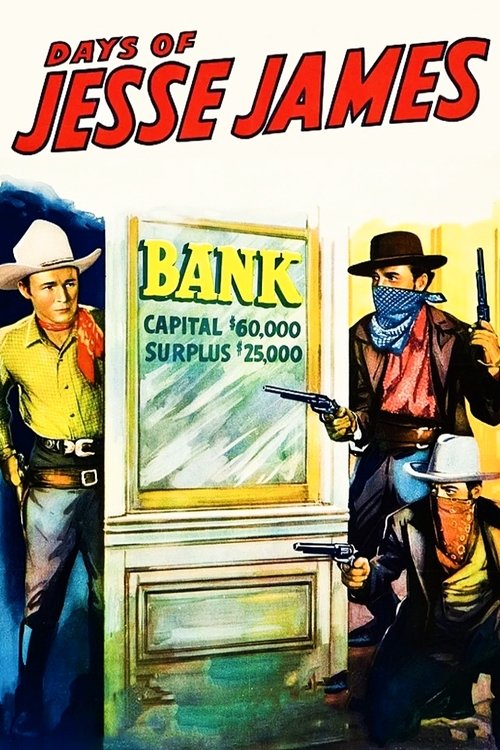
Days of Jesse James
1939
No user ratings available yet
Representation score: 0.5 out of 10
Representation Score
Minimal
1953
ApprovedDirector
Reginald Le Borg
Runtime
73 minutes
Average Rating
No ratings yetNew Showbiz Analysis
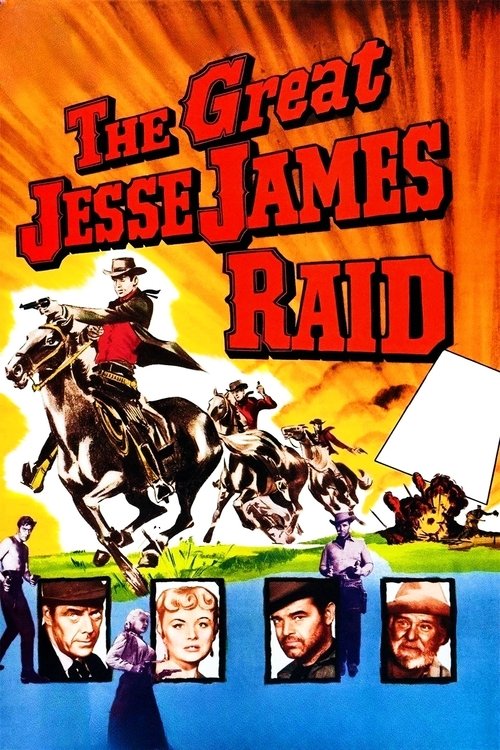
The film is a conventional 1950s Western built around male outlaws and their violent exploits. Jesse James is the central figure, surrounded by male accomplices and pursued by lawmen, with women relegated to peripheral roles. Racial and LGBTQ+ representation are virtually absent, reflecting the era’s industry norms. The narrative leans on familiar Western tropes: loyalty among outlaws, moral ambiguity, and the tension between law and outlaw. While the film acknowledges the fallout of Jesse’s actions, it ultimately romanticizes his legend. Its cultural framing is narrow, prioritizing traditional values and a predominantly white, male perspective.
Category Breakdown
No LGBTQ+ characters or same-sex relationships appear. The narrative centers on heterosexual romance and male outlaw bonds, with no queer subtext or inclusive moments.
Men drive the plot through robbery and violence. Women, including Jesse’s sister Zee and a love interest, occupy minor supporting roles without narrative power or agency.
The cast is almost entirely white, typical of 1950s Westerns. Any non-white characters appear in minor roles with negligible screen time and no meaningful development.
The film romanticizes outlaw life while showing the consequences of violence. It reinforces traditional Western values, framing lawmen as pursuers and emphasizing family loyalty.
No characters with disabilities appear. Physical injuries or limitations are not depicted as part of any character’s identity or storyline.
Present on Screen
Limited or Absent
Official Synopsis
The famed outlaw is talked into saddling up for one more bank robbery.
1939

1939
1953
1953
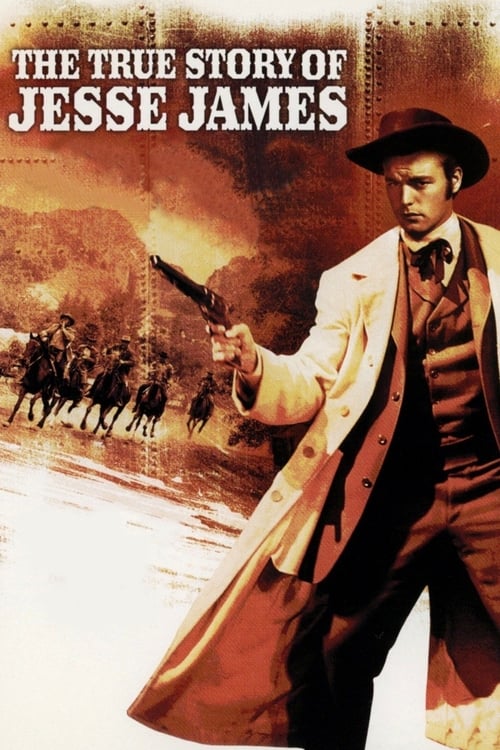
1957
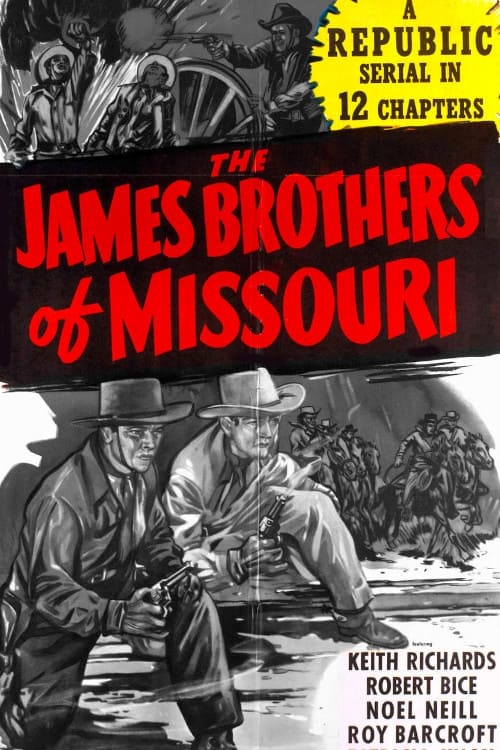
1949
1936
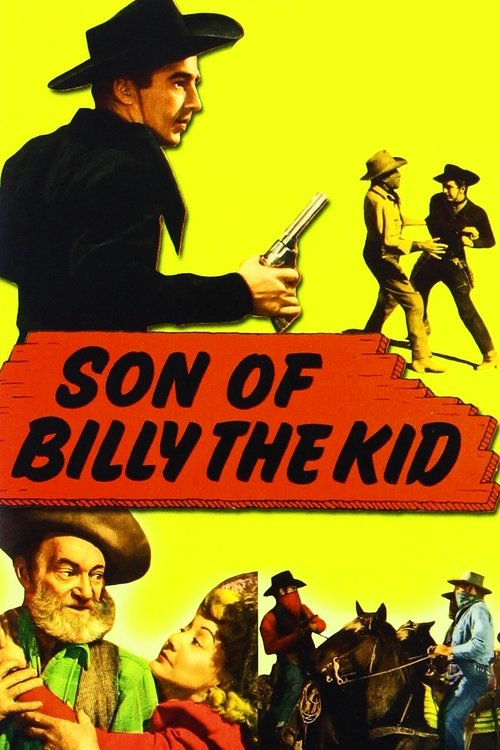
1949
No reviews yet. Be the first to share your thoughts on this movie!
Use the rating form above to leave a star rating and optional review.