
So Cute
2004
No user ratings available yet
Representation score: 3.5 out of 10
Representation Score
Fair
2013
Director
Yim Soon-rye
Runtime
121 minutes
Average Rating
No ratings yetNew Showbiz Analysis
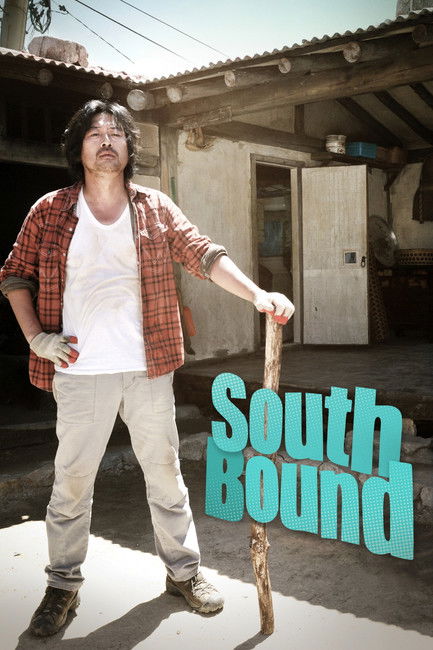
South Bound is a sophisticated social commentary that emphasizes the tension between individual ability to act and systemic oppression. By focusing on an anti-government documentary filmmaker, the film explores resistance against corporate and state-sanctioned authority. While the film lacks overt LGBTQ+ or disability-centric storylines, it excels in its commitment to moral relativism, deconstructing traditional authority and exploring social friction.
Category Breakdown
The film does not include any explicit LGBTQ+ storylines or characters with non-traditional gender identities. There is no depiction of same-sex relationships or direct criticism of heterosexual norms.
The film challenges traditional family structures by avoiding the typical stable, patriarchal household. Instead, it focuses on situational emotional truths and downplays rigid gender roles and male dominance.
Being a South Korean production, the film showcases a culturally uniform cast. It offers an authentic glimpse into South Korean social layers without using actors from different ethnic backgrounds.
The storyline delves into critiques of systemic power and institutional control. It highlights the struggles of individuals fighting against oppressive authorities and capitalist expansion on Deul Island.
The film does not feature any significant portrayal of visible or invisible disabilities.
Present on Screen
Limited or Absent
Official Synopsis
Hae-gap is a director who makes anti-government documentary films. One day, Hae-gap’s son, Na-ra, runs away from home, but Man-deok, a freeloader living in Hae-gap’s house ends up bringing him back. Later, Man-deok raids the head developer of Deul Island to stop its exploitation, and Na-ra helps and ends up getting caught. In order to bring Na-ra out from jail, Hae-gap signs to stop making anti-government films and moves to Deul Island with his family. Na-ra sees his father leading a good, quiet life there and starts opening up. But when a construction company charges in to clear-out the island and the islanders fall at risk of losing their homes, Hae-gap leads a strike against it and his family fall in grave danger...
2004

2000

2011

2023

2020
1997
2005

2019
No reviews yet. Be the first to share your thoughts on this movie!
Use the rating form above to leave a star rating and optional review.