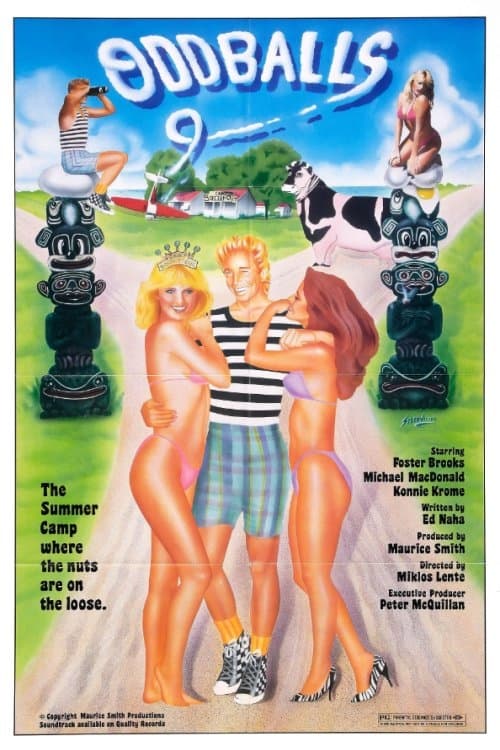
Oddballs
1984
No user ratings available yet
Diversity score: 3.1 out of 10
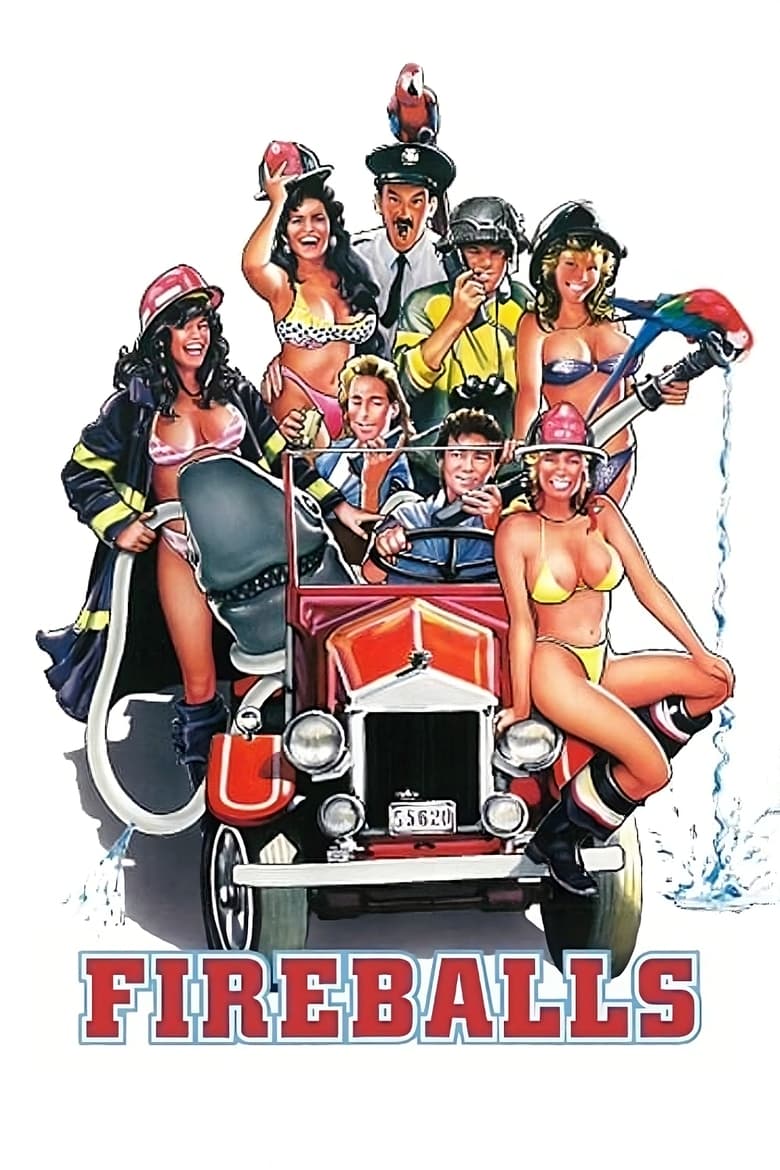
1989
Director
Charlie Wiener
Runtime
83 minutes
Average Rating
No ratings yetSynopsis
A Canadian fire station is threatened by a Japanese business.
Overall Score
Fair
Category Breakdown
LGBTQ+ Representation
The film lacks evidence of non-cisnormative identities or romantic arcs. Given its 1989 comedy roots, the narrative likely follows the heteronormative standards of that era.
Gender Representation
The fire station setting suggests a focus on traditional masculine archetypes. There is no indication of women holding high-agency roles or subverting established gender hierarchies.
Racial & Ethnic Diversity
A central conflict involving a Japanese business introduces necessary cross-cultural dynamics. This provides a foundation for ethnic representation through the interaction of local and international characters.
Religious & Cultural Diversity
The plot centers on a clash between local community structures and globalized capitalism. While this allows for a critique of expansion, it lacks deeper cultural or secular exploration.
Disability Representation
There is no information regarding the inclusion or portrayal of characters with visible or invisible disabilities.
Strengths
Areas for Improvement
AI Analysis
Fireballs functions primarily as a traditional situational comedy. While the plot introduces international friction through a Japanese business threat, the film lacks the complexity needed to disrupt social hierarchies. The narrative relies on established archetypes, particularly within the masculine-coded setting of a fire station. This results in a lack of intersectional depth or progressive storytelling. Ultimately, the film provides a baseline for ethnic diversity through its cross-cultural premise but fails to offer significant representation for LGBTQ+ or disabled communities.
1984

2010

2019
1985

1957

2013

2021

1988

1978

2000

2014

2006
No reviews yet. Be the first to share your thoughts on this movie!
Use the rating form above to leave a star rating and optional review.