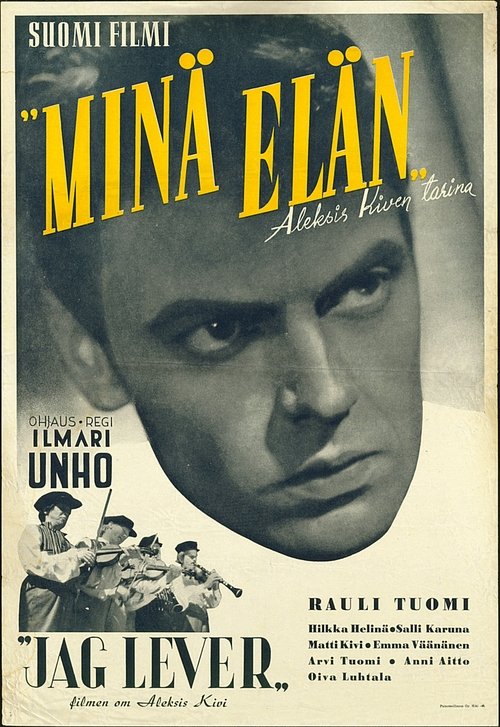
"Minä elän"
1946
No user ratings available yet
Representation score: 3.1 out of 10
Representation Score
Fair
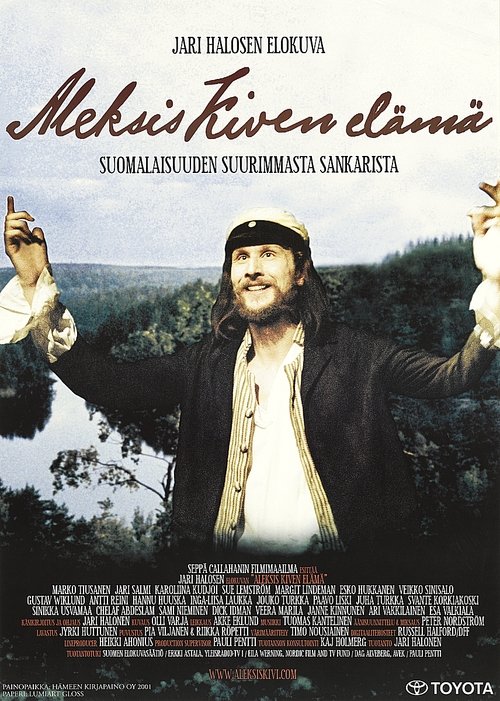
2002
Director
Jari Halonen
Runtime
105 minutes
Average Rating
No ratings yetNew Showbiz Analysis
The film serves as a sophisticated biographical study that prioritizes the deconstruction of linguistic and class-based hierarchies. It moves away from binary morality to provide a complex understanding of social standing. While the film remains conservative regarding gender and LGBTQ+ identities, it achieves progressive value through its critique of Finnish-Swedish power dynamics. It frames individual struggle as a reflection of systemic oppression. The narrative succeeds by elevating the ability to act of the underrepresented linguistic class, providing a nuanced look at how identity is defended against systemic erasure.
Category Breakdown
The film does not include any LGBTQ+ characters and stays within the strict social norms of its 19th-century setting, avoiding any exploration of non-straight relationships.
Women are shown primarily in traditional domestic or supportive roles. The narrative centers on Kivi's struggle with intellectual and provider roles without challenging traditional gender hierarchies.
The film excels in showcasing ethno-linguistic identity. It uses a post-colonial perspective to highlight the Finnish language as a tool of resistance against Swedish dominance.
The story criticizes established power structures by showing the Swedish-speaking elite as restrictive. It emphasizes the exclusion of Finnish identity through a lens of class struggle.
Mental health issues are portrayed meaningfully through the protagonist's descent into instability. These struggles are integrated into the broader socio-political context of Kivi's life.
Present on Screen
Limited or Absent
Official Synopsis
Aleksis Kivi (1834-1872) was a Finnish author who wrote the first significant novel in the Finnish language, "Seven Brothers/Seitsemän veljestä". Although Kivi was among the very earliest authors of prose and lyrics in Finnish language, he is still considered one of the greatest of them all.
1946
1969
1943
2014
2009
1982
1973
2016
No reviews yet. Be the first to share your thoughts on this movie!
Use the rating form above to leave a star rating and optional review.