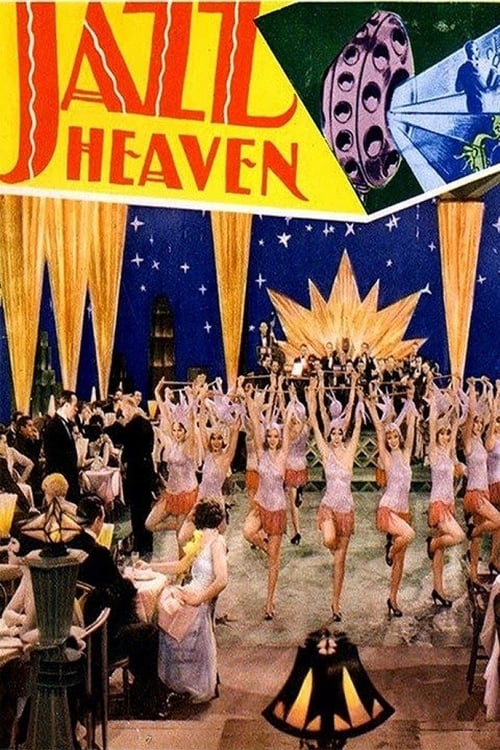
Jazz Heaven
1929
No user ratings available yet
Representation score: 2.1 out of 10
Representation Score
Limited
1974
TV-GDirector
Kirk Browning, Burt Shevelove
Runtime
88 minutes
Average Rating
No ratings yetNew Showbiz Analysis
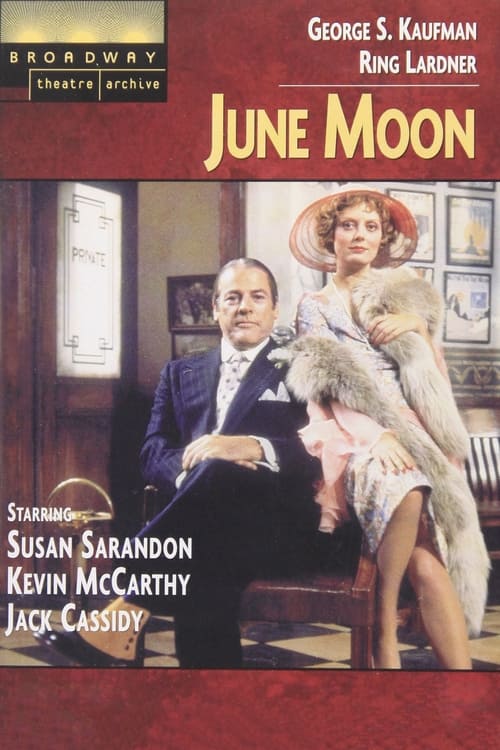
June Moon serves as a period satire centered on the 1920s music industry. While the film uses comedy to critique social structures and the pursuit of success, it remains largely tied to the conventional casting frameworks of its 1974 production era. The narrative lacks complexity in terms of racial and LGBTQ+ representation, reflecting the historically homogeneous social compositions of the early 20th century. While Susan Sarandon’s central role provides some women's ability to drive the story, the film does not significantly disrupt traditional gender or racial hierarchies.
Category Breakdown
The film does not include any explicit LGBTQ+ characters or narratives. The story focuses on professional aspirations within a 1920s setting without addressing non-straight relationships.
Susan Sarandon plays a central role, providing a strong female presence. However, the 1920s setting suggests the narrative may still navigate restrictive social hierarchies.
The focus on Tin Pan Alley and an upstate New York clerk suggests a historically homogeneous demographic. There is no evidence of a diverse or non-Anglo-Saxon majority cast.
As a satire, the film critiques the capitalist machinery of the 1920s music industry. It deconstructs the 'big city' dream through a comedic lens.
There is no discernible evidence regarding the portrayal of physical or neurodivergent disabilities in the available cast or synopsis.
Present on Screen
Limited or Absent
Official Synopsis
In this rousing satire a native upstate New York clerk comes to 1920s Manhattan with dreams of making in big on Tin Pan Alley.
1929
1941
1947
1958
1977
1978

1944

1997
No reviews yet. Be the first to share your thoughts on this movie!
Use the rating form above to leave a star rating and optional review.