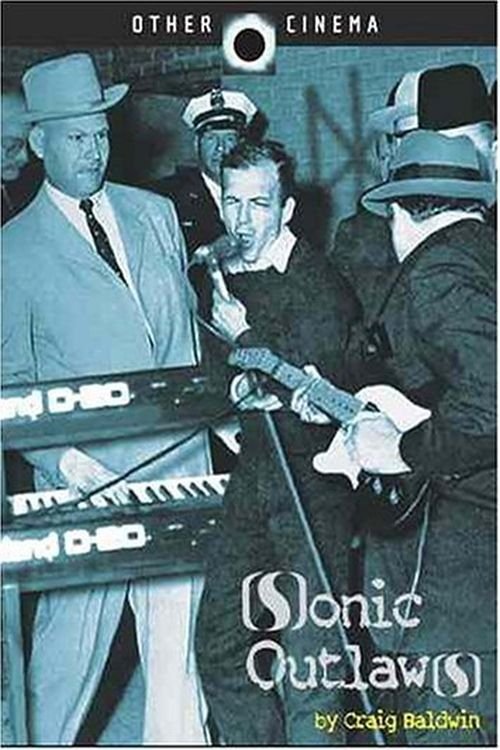
Sonic Outlaws
1995
No user ratings available yet
Representation score: 7.4 out of 10
Representation Score
Good
2009
PG-13Director
Benjamin Franzen, Kembrew McLeod
Runtime
65 minutes
Average Rating
No ratings yetNew Showbiz Analysis
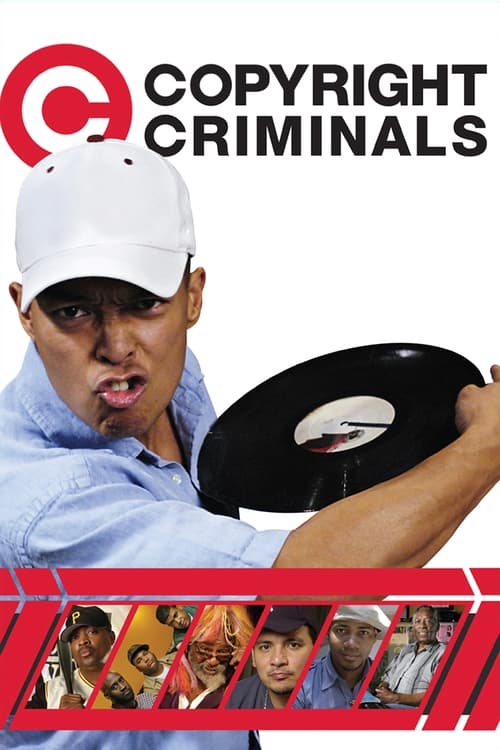
Copyright Criminals is a nuanced critique of systemic power that prioritizes the history of a underrepresented genre. Its strength lies in deconstructing how institutional authority and copyright laws affect communal creativity. The film excels in racial and cultural representation, framing hip-hop as a vital mode of reclamation for Black artists. However, it lacks specific visibility regarding LGBTQ+ identities and disability. The narrative structure remains focused on the intersection of music, law, and capitalism rather than individual identity politics.
Category Breakdown
The film does not focus on LGBTQ+ narratives and instead concentrates on the evolution of hip-hop and legal frameworks. There is no explicit representation of LGBTQ+ identities within the main storyline.
The story centers on hip-hop's history, which is often told through a male-dominated lens. While it highlights the ability to act of artists through creative ownership, it does not explicitly challenge gender hierarchies.
The documentary shines by focusing on the creative ability to act of Black artists and producers. It traces the journey of hip-hop from New York's urban streets to a global phenomenon, emphasizing the contributions of artists of color.
The film critiques Western legal and capitalist systems by framing copyright issues as conflicts between corporate interests and artistic freedom. It challenges traditional views of individual ownership.
There is no specific focus on physical or neurodivergent representation. As a music-focused documentary, disability is not a primary narrative element.
Present on Screen
Limited or Absent
Official Synopsis
Copyright Criminals examines the creative and commercial value of musical sampling, including the related debates over artistic expression, copyright law, and (of course) money. This documentary traces the rise of hip-hop from the urban streets of New York to its current status as a multibillion-dollar industry. For more than thirty years, innovative hip-hop performers and producers have been re-using portions of previously recorded music in new, otherwise original compositions. When lawyers and record companies got involved, what was once referred to as a “borrowed melody” became a “copyright infringement.” The film showcases many of hip-hop music’s founding figures like Public Enemy, De La Soul, and Digital Underground—while also featuring emerging hip-hop artists from record labels Definitive Jux, Rhymesayers, Ninja Tune, and more.
1995

2013
2011
2015

2015
2004
2021
2014
No reviews yet. Be the first to share your thoughts on this movie!
Use the rating form above to leave a star rating and optional review.