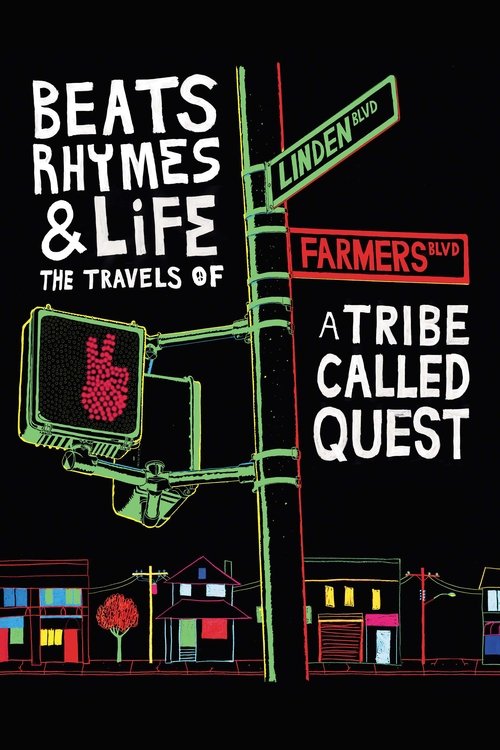
Beats Rhymes & Life: The Travels of A Tribe Called Quest
2011
No user ratings available yet
Representation score: 2.1 out of 10
Representation Score
Fair
2016
Director
Quincy Jones III
Runtime
99 minutes
Average Rating
No ratings yetNew Showbiz Analysis
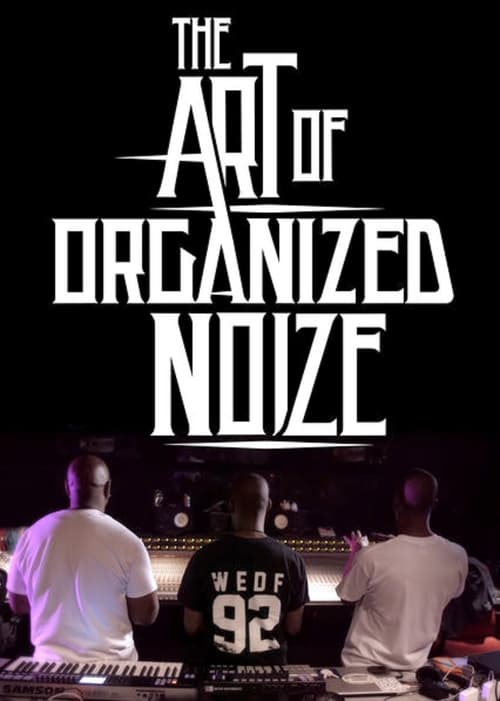
The documentary offers a compelling look at the creative excellence and autonomy of Black communities in the Atlanta hip-hop scene. By highlighting the intellectual contributions of Black producers, it challenges traditional music industry hierarchies and disrupts conventional narratives. However, the film focuses primarily on male producers and collaborators, resulting in limited representation of women's ability to drive the story within the creative hierarchy. Overall, the film's strength lies in its portrayal of Black communal excellence and sonic innovation, while it could improve by providing more diverse representation.
Category Breakdown
The film does not focus on LGBTQ+ stories or non-binary gender identities. Instead, it explores the musical heritage of the Atlanta hip-hop scene.
The documentary highlights the male-dominated world of 1990s Atlanta hip-hop. It emphasizes the roles of male producers and collaborators within the Dungeon Family.
The film showcases the contributions of Black creators in the Atlanta hip-hop scene. It presents the Dungeon Family as a site of cultural production and resistance against industry exclusion.
The documentary illustrates how Organized Noize created an independent cultural ecosystem outside mainstream corporate control. It emphasizes grassroots organization over centralized industry structures.
The documentary does not provide significant representation of individuals with physical or neurodivergent disabilities.
Present on Screen
Limited or Absent
Official Synopsis
Organized Noize shaped the landscape of Hip Hop music with a distinct sound created in the confines of a dungeon. They're responsible for the careers of Outkast, CeeLo, Goodie Mob, and the Dungeon Family. This is the story of the Art of Organized.
2011
2018

2016
2005
2021
2021

2015
2004
No reviews yet. Be the first to share your thoughts on this movie!
Use the rating form above to leave a star rating and optional review.