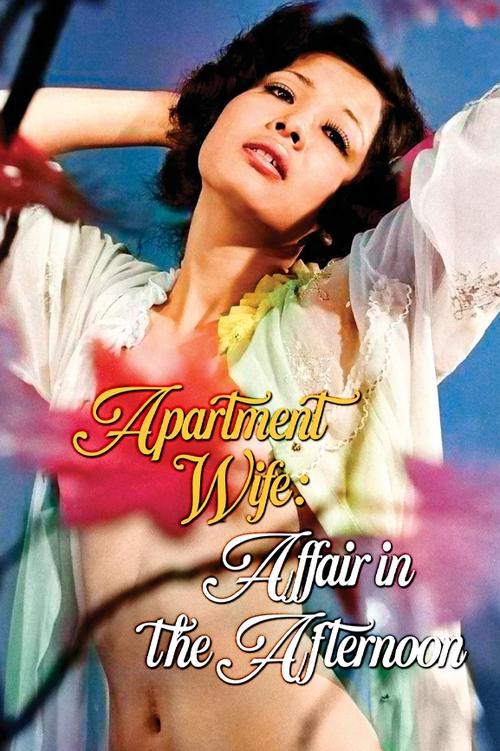
Apartment Wife: Affair in the Afternoon
1971
No user ratings available yet
Representation score: 5.6 out of 10
Representation Score
Fair
1976
Director
Masaru Konuma
Runtime
69 minutes
Average Rating
No ratings yetNew Showbiz Analysis
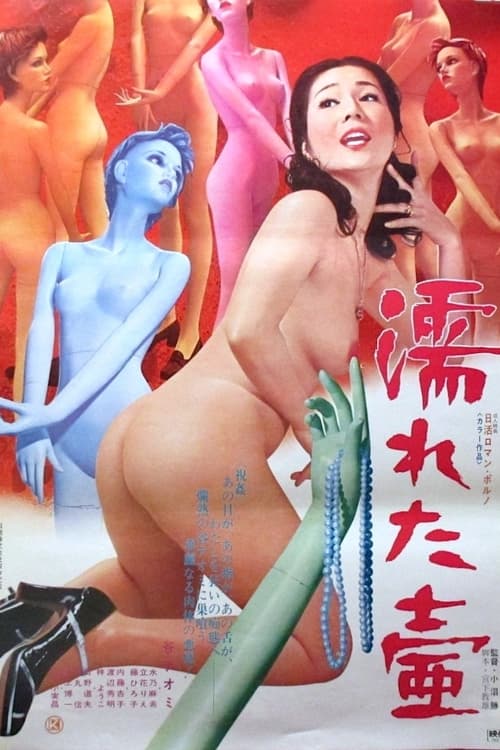
Wet Vase focuses on the breakdown of traditional domestic stability, centering on Aki's journey through betrayal. The film shifts the narrative emphasis from patriarchal reliability to female autonomy and unconventional relationships. By positioning the protagonist's liberation through her professional and sensory experiences, the film challenges mid-century social norms. It replaces the traditional family structure with a focus on individual autonomy and female subjectivity. While the film excels in subverting gender hierarchies and exploring non-traditional emotional bonds between women, it remains culturally homogenous, reflecting the specific social context of 1976 Japanese cinema.
Category Breakdown
The film showcases a strong emotional connection between Aki and Iwasaki, highlighting a supportive relationship that stands apart from traditional patriarchal structures.
Aki is portrayed as a successful businesswoman navigating a world dominated by men. The narrative emphasizes female autonomy and desire, challenging conventional domestic roles.
The cast is predominantly Japanese, reflecting the cultural context of the time without delving into diverse ethnic backgrounds or challenging racial stereotypes.
The story questions the idealized notion of the nuclear family by depicting dysfunctional domestic relationships. It prioritizes personal freedom over traditional social obligations.
There is no depiction of individuals with physical or neurological disabilities in the film.
Present on Screen
Limited or Absent
Official Synopsis
Naomi Tani plays bar-owner Aki, whose entire world appears to be crumbing whenever she discovers her husband is having an affair along with her own mama. Truly the only individual she can trust is Iwasaki, the woman club supervisor. One time, she asks Iwasaki to accompay her to a company meeting with a trader Hanamatsu, the owner of a mannequin factory. At the warehouse, Miss Aki is abnormally aroused when she sees Hanamatsu toching the mannequins. She allows by herself to be seduced by the businessman…
1971
1961

1983
1957
1962
1977

1976
1972
No reviews yet. Be the first to share your thoughts on this movie!
Use the rating form above to leave a star rating and optional review.