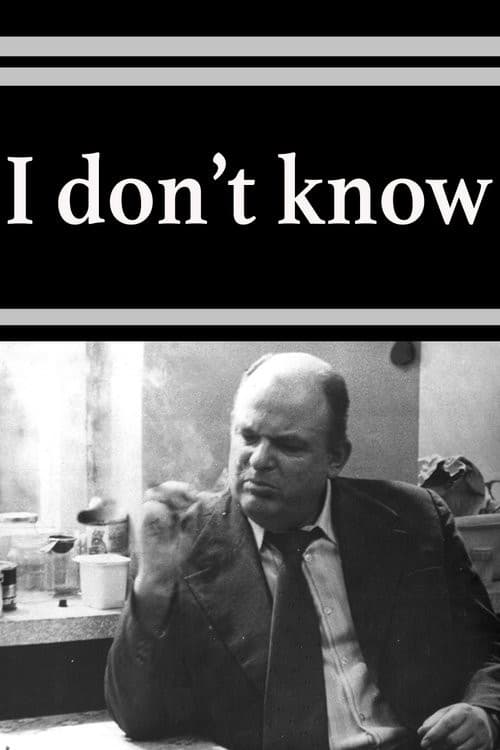
I Don't Know
1977
No user ratings available yet
Representation score: 4.4 out of 10
Representation Score
Fair
1972
Director
Krzysztof Kieślowski, Tomasz Zygadło
Runtime
47 minutes
Average Rating
No ratings yetNew Showbiz Analysis
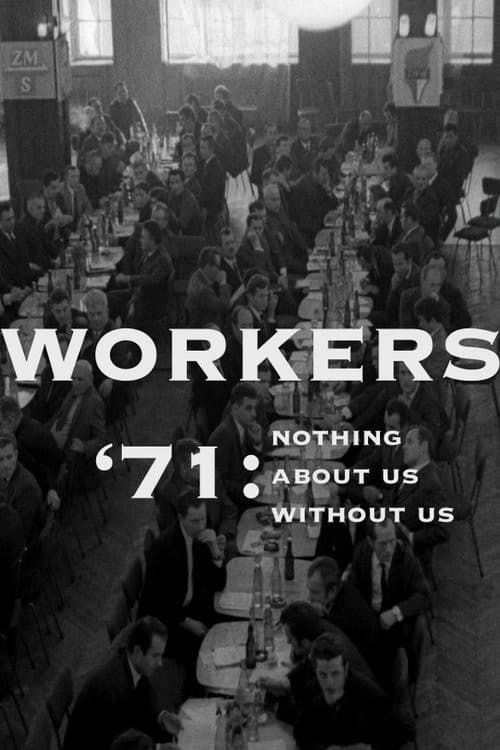
Workers '71 is a documentary that highlights the tensions between the Polish working class and state leadership. It emphasizes the skepticism and lived experiences of shipyard workers after the 1970 protests. While the film does not have modern multi-layered breadth, it effectively disrupts official state narratives. Its strength lies in its realistic portrayal and its challenge to centralized institutional power. However, its narrow historical and geographic focus limits racial and LGBTQ+ representation, reflecting the demographics of the Polish industrial proletariat of the time.
Category Breakdown
The film does not include explicit LGBTQ+ character arcs or diverse gender identities. The story focuses on labor relations and political changes within the shipyard.
The film centers on the male-dominated industrial environment of the Gdańsk Shipyard, focusing on workers as political agents. It does not challenge traditional gender roles.
The cast is predominantly Polish, reflecting the historical and geographic context. The film lacks racial diversity due to its specific setting.
The film excels at showing the skepticism of workers toward the Polish United Workers' Party. It highlights the tension between citizens and the state's centralized authority.
There is no documented portrayal of physical or neurodivergent disabilities in this work.
Present on Screen
Limited or Absent
Official Synopsis
A story about Gdańsk Shipyard and its workers after so called Grudzień 1970 (1970 protests). After those events Edward Gierek replaced Władysław Gomułka as party first secretary and promised redical change in style and methods of ruling. Kieślowski shows the skepticism of workers and their attitude to party members. He also pictures conflicts inside the party (PZPR) and usual work in shipyard. The political criticism of this movie made it a target of censorship – it was suspended and cut against the will of director.
1977
2020

1971
1971
1969
1970

1979
1968
No reviews yet. Be the first to share your thoughts on this movie!
Use the rating form above to leave a star rating and optional review.