Night and Day
1946
No user ratings available yet
Representation score: 1.6 out of 10
Representation Score
Limited
1948
NRDirector
Norman Taurog
Runtime
121 minutes
Average Rating
No ratings yetNew Showbiz Analysis
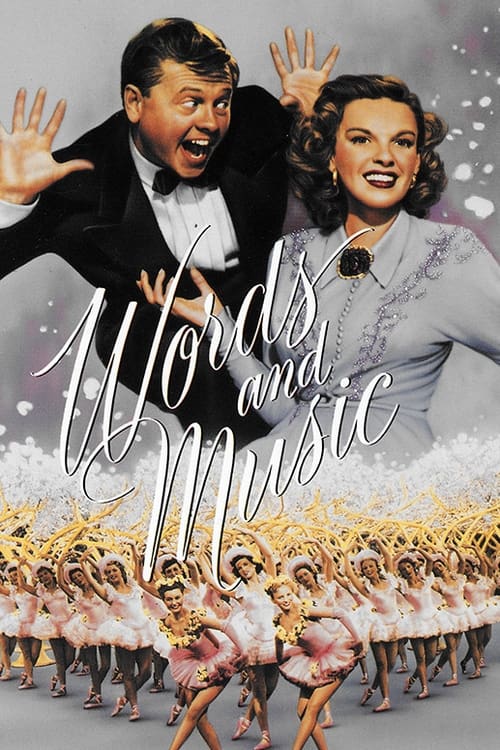
Words and Music presents a traditional biographical musical that emphasizes a straightforward success story. It reinforces the social and professional hierarchies of the early 20th century without questioning them. The film's structure highlights the professional rise of the Rodgers and Hart partnership. This focus centers male creative leadership while relegating women to supporting romantic roles. Ultimately, the work serves as a period-accurate celebration of individual achievement. It lacks the intentionality needed to provide depth across multiple aspects of identity or to disrupt systemic social structures.
Category Breakdown
The film adheres closely to the assumption that everyone is straight or cisgender. Romantic storylines center around traditional pursuits, such as Richard Rodgers' courtship of Dorothy Feiner and Larry Hart's unsuccessful pursuit of Peggy McNeil.
Gender dynamics follow typical mid-century conventions. Men dominate the professional creative ability to act, while female characters mainly serve as romantic foils or stabilizers for the male leads.
The setting reflects a relatively uniform social environment typical of the time. Although it touches on the Jewish-American cultural scene, it does not challenge the racial status quo through casting decisions.
The narrative celebrates the American Dream and individual success within the entertainment industry. It upholds traditional Western values and the pursuit of capitalist success.
There is no representation of physical, sensory, or neurodivergent disabilities. Characters are portrayed as physically and mentally capable according to societal norms.
Present on Screen
Limited or Absent
Official Synopsis
Encomium to Larry Hart (1895-1943), seen through the fictive eyes of his song-writing partner, Richard Rodgers (1902-1979): from their first meeting, through lean years and their breakthrough, to their successes on Broadway, London, and Hollywood. We see the fruits of Hart and Rodgers' collaboration - elaborately staged numbers from their plays, characters' visits to night clubs, and impromptu performances at parties. We also see Larry's scattered approach to life, his failed love with Peggy McNeil, his unhappiness, and Richard's successful wooing of Dorothy Feiner.
1946

1954
1944
1942
1952
1936
1951
2004
No reviews yet. Be the first to share your thoughts on this movie!
Use the rating form above to leave a star rating and optional review.