Tchaikovsky
1970
No user ratings available yet
Representation score: 2.5 out of 10
Representation Score
Minimal
1939
ApprovedDirector
James A. FitzPatrick
Runtime
17 minutes
Average Rating
No ratings yetNew Showbiz Analysis
A Dream of Love functions primarily as a scenic travelogue, focusing on visual montages of landscapes. Since it lacks characters and interpersonal dynamics, it cannot address issues of characters who reflect more than one aspect of diversity. The absence of human subjects means there is no opportunity to explore identity, social hierarchies, or diverse lived experiences. The film's technical nature as a non-narrative visual record prevents any engagement with progressive representation or intentional identity-based storytelling.
Category Breakdown
The film does not include any characters or romantic subplots involving LGBTQ+ individuals. There are no narratives or representations of same-sex relationships or gender-nonconforming identities.
The film lacks any characters or depictions of gender roles or hierarchies. It does not provide any subversions of traditional masculine and feminine roles.
The film does not feature any characters or social interactions. Therefore, there is no representation of racial diversity or ethnic backgrounds.
The film does not engage with any religious, political, or socioeconomic frameworks. It does not critique institutions or cultural norms.
The film does not portray any characters. Consequently, there is no depiction of neurodivergence, physical disabilities, or mental health conditions.
Present on Screen
Limited or Absent
Official Synopsis
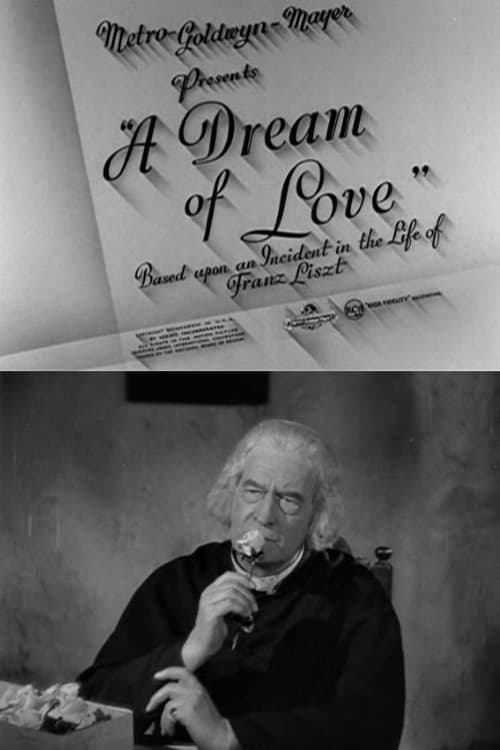
Aging composer Franz Liszt lives in an abbey. On his birthday, a priest brings him a box that was just delivered; there is no return address. In the box he finds a single flower. The flower brings back memories of his lost love of long ago, who inspired him to compose his unforgettable melodies.
1970
1952
1937
1948
1947

1941
1970

1971
No reviews yet. Be the first to share your thoughts on this movie!
Use the rating form above to leave a star rating and optional review.