
As Long as You've Got Your Health
1966
No user ratings available yet
Representation score: 5.5 out of 10
Representation Score
Fair
1966
Director
Pierre Étaix
Runtime
12 minutes
Average Rating
No ratings yetNew Showbiz Analysis
Pierre Étaix’s short film is a masterful exercise in visual surrealism and comedic timing. It emphasizes the mechanics of slapstick and rhythmic storytelling over sociopolitical commentary or demographic complexity. The film reflects the era's limitations, focusing on individual physical struggles rather than overlapping aspects of identity. While it doesn't actively harm, it lacks the intentional diversity needed for a progressive score. Ultimately, the work stands as a pinnacle of non-verbal comedy but remains rooted in its specific historical and genre-driven context.
Category Breakdown
The film doesn't show any LGBTQ+ identities or stories that go beyond the assumption that everyone is straight. It follows the traditional comedic style popular in the 1960s.
The story seems to follow the usual gender roles common in French comedies from the mid-1960s. There's no indication that it challenges traditional gender roles.
The movie likely has a mostly white cast, which was typical for French films made in 1966. There's no sign of intentionally casting actors of different ethnicities.
The film focuses on the absurdity of everyday situations rather than critiquing systems like capitalism or Western culture. It deals with personal struggles rather than broader cultural critiques.
Physical comedy often shows bodies as sites of dysfunction or unexpected movements. While eccentricity can be a form of expression, there's no specific portrayal of neurodivergence or chronic illness.
Present on Screen
Limited or Absent
Official Synopsis
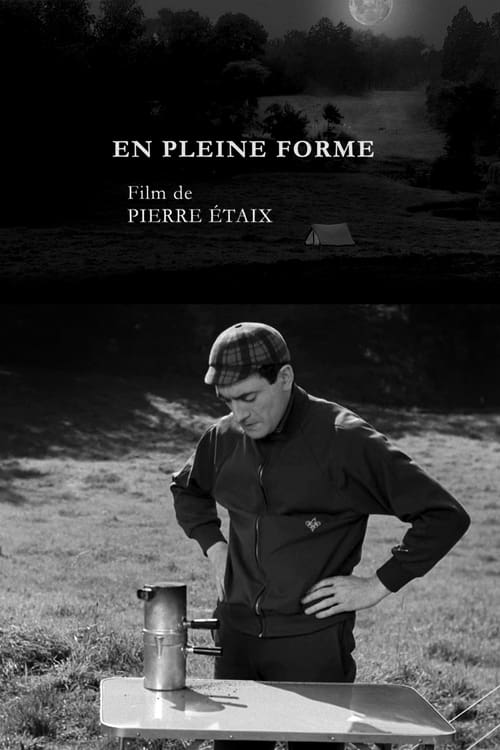
Short film by Pierre Etaix, edited out from the anthology film As Long as You've Got Your Health (1966).
1966

1953

1963
1960

1963
1965

1959
1974
No reviews yet. Be the first to share your thoughts on this movie!
Use the rating form above to leave a star rating and optional review.